
Click to view Every horse that enters a training programme carries with it a complex, finely tuned physiological system — one that depends equally on muscle strength, neural adaptability, fascial integrity, and the capacity to recover. The question Linda Zoutman poses in this thesis is a deceptively practical one: can osteopathic manipulative treatment (OMT) actively […]
Click to view Riders and trainers have written about the one-sided horse for centuries. Some horses find it easier to the left; others resist collection on the right. The conventional explanation — natural laterality, a dominant side, brain hemisphere preference — has gone largely unchallenged in equestrian literature. Leslie-Anne Kennedy’s thesis challenges it directly. The […]
Click to view The FEI Dressage Handbook lists open mouth, tilted head, and broken neckline as disobedience. It is a classification that has frustrated researchers, welfare advocates, and practitioners for years — because each of those behaviours can equally signal that a horse is in pain. Kirstin Dunncliff’s thesis takes aim at this conflation and […]
Click to view Hip dysplasia affects approximately 14 percent of the canine population, and in certain breeds — bulldogs, mastiffs, German shepherds among them — rates climb staggeringly higher. It is one of the most discussed orthopaedic conditions in veterinary medicine, yet the conversation tends to begin and end with surgery. What this thesis asks […]
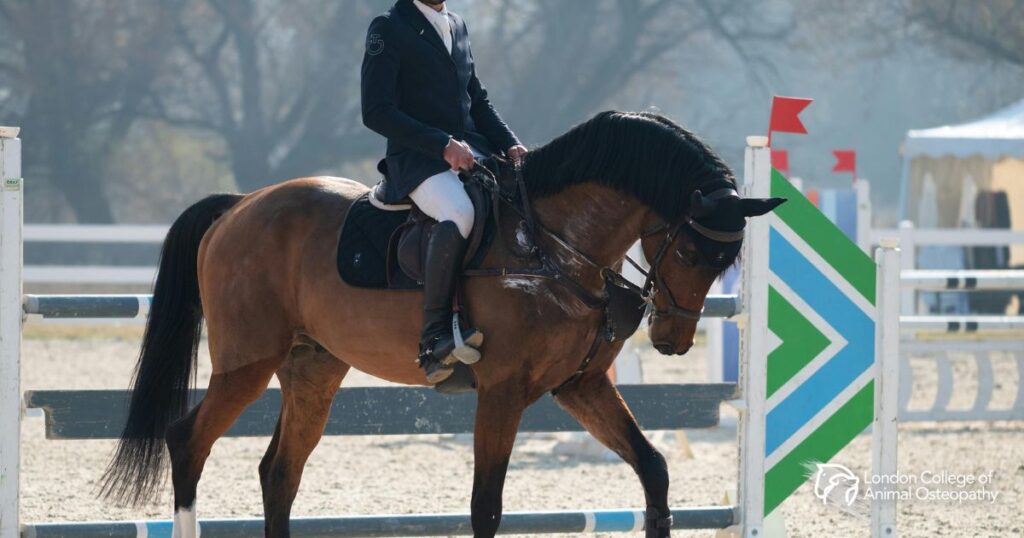
Click to view Walk into almost any equestrian yard and you will find horses on regular bodywork schedules and riders who have never considered booking a session for themselves. That imbalance sits at the heart of Katie McRory’s research. As a Craniosacral Therapist, Registered Massage Therapist and manual osteopathic practitioner, she noticed that only around […]
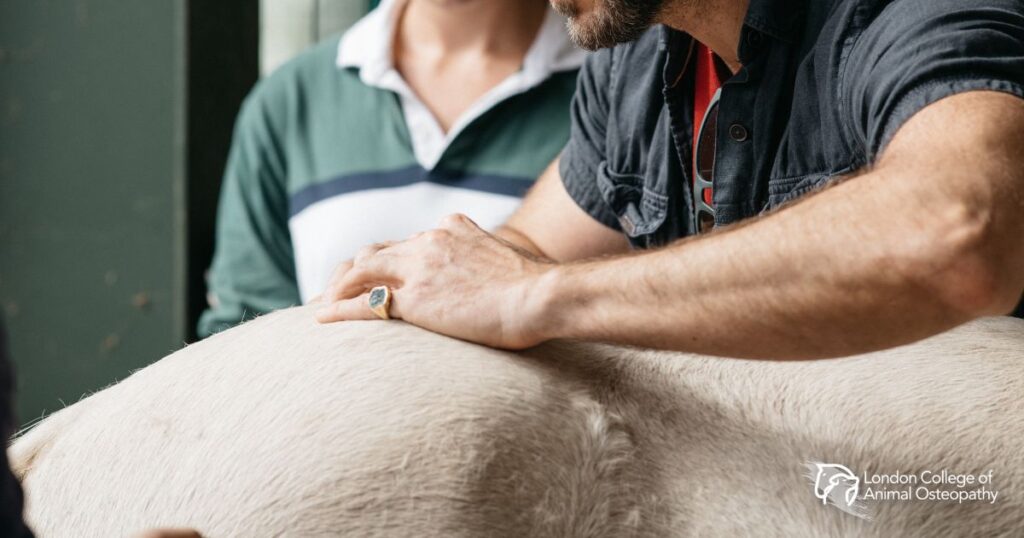
Click to view Sacroiliac injury is one of the more elusive diagnoses in equine practice. The region sits deep beneath large muscle masses, the clinical signs are often ambiguous, and the gold-standard diagnostic tool — nuclear scintigraphy — sits behind a cost barrier that many owners cannot cross. The result is that a significant number […]
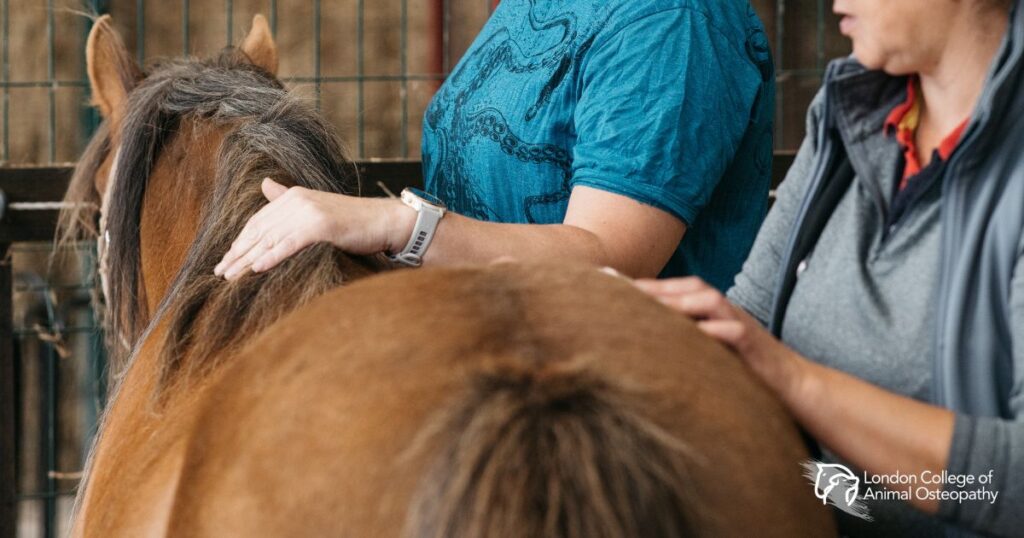
Click to view Poor performance in the sport horse is one of the most commonly encountered problems in equine practice, yet it remains one of the least systematically addressed. The horse that is reluctant to work, loses ground in the final furlongs, stiffens through turns, or simply fails to meet expectations is often passed through […]
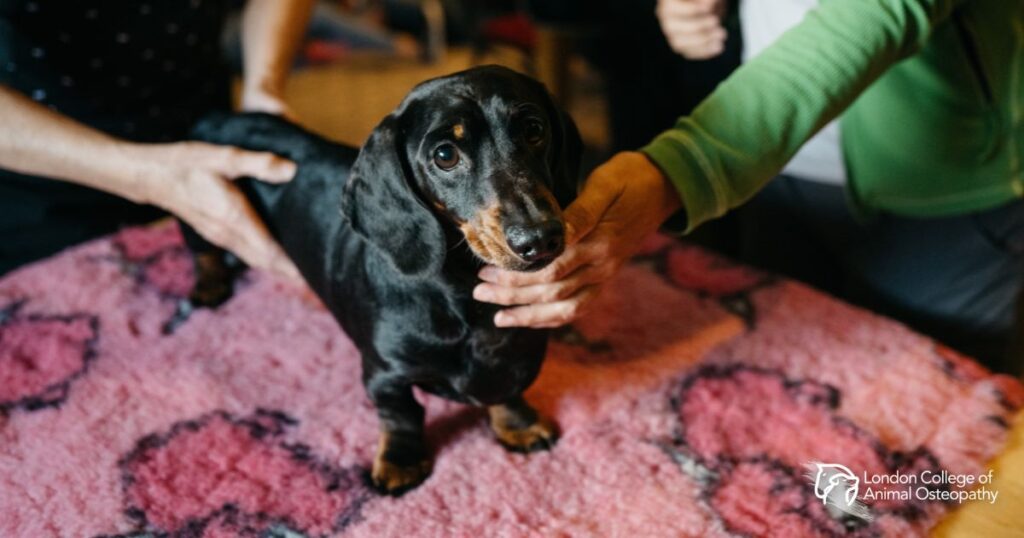
Click to view Anxiety is not a condition limited to humans. Research published in Scientific Reports found that over 72% of dogs display at least one anxiety-related behaviour, yet the clinical conversation around effective management options remains remarkably thin. Noise sensitivity, separation distress, and generalised worry are among the most commonly reported presentations — and […]
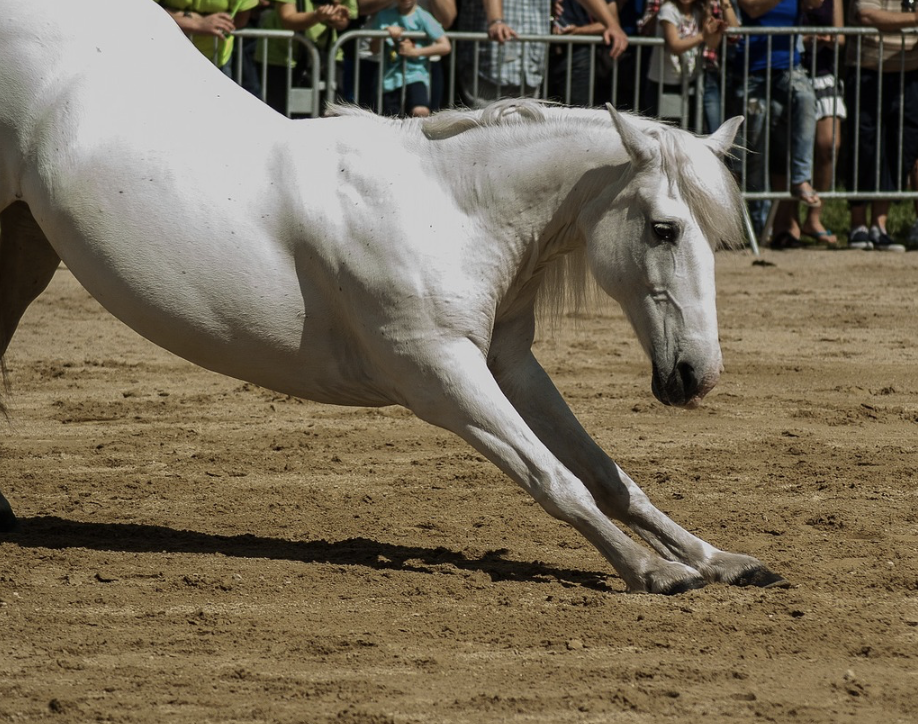
Click to view Every time a horse moves — whether walking across a field or landing from a jump — an intricate network of muscles, tendons, ligaments and fascia works to suspend the thorax between the forelimbs and direct that power toward purposeful movement. This network, known as the thoracic sling, is the horse’s core […]
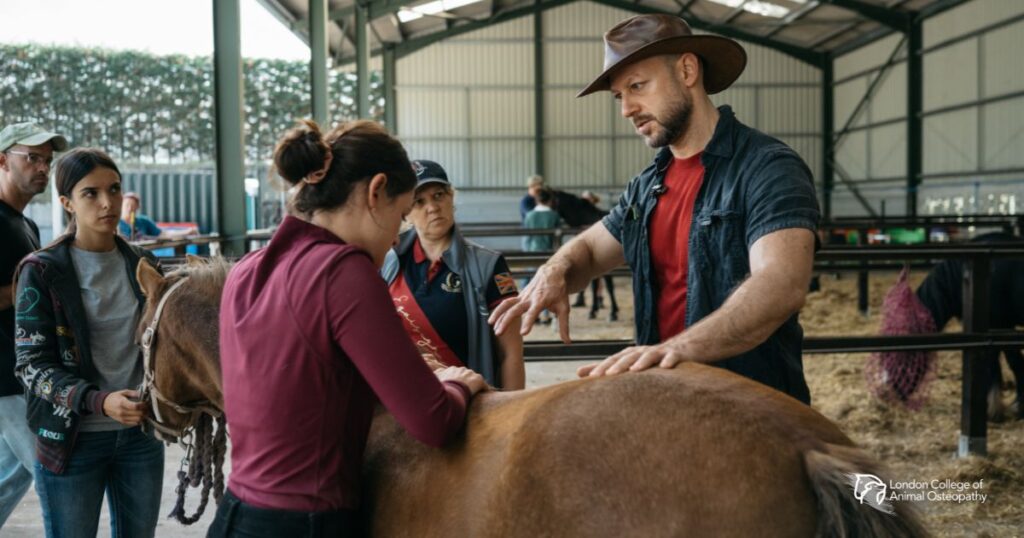
There’s a quiet anxiety running through many professions right now. As artificial intelligence reshapes industries—from finance to design to diagnostics—the question keeps surfacing: will my role still exist in ten years? In healthcare, that question feels even more pressing. AI can now interpret imaging, assist in diagnosis, and even predict disease risk with increasing accuracy. […]
Every year, Osteopathy Awareness Month offers a moment to pause and look more closely at a profession that often works quietly in the background. It’s not always the first therapy people think of, yet for many, it becomes the one they rely on most. Osteopathy sits at an interesting intersection. It blends anatomy, biomechanics, neurology, […]
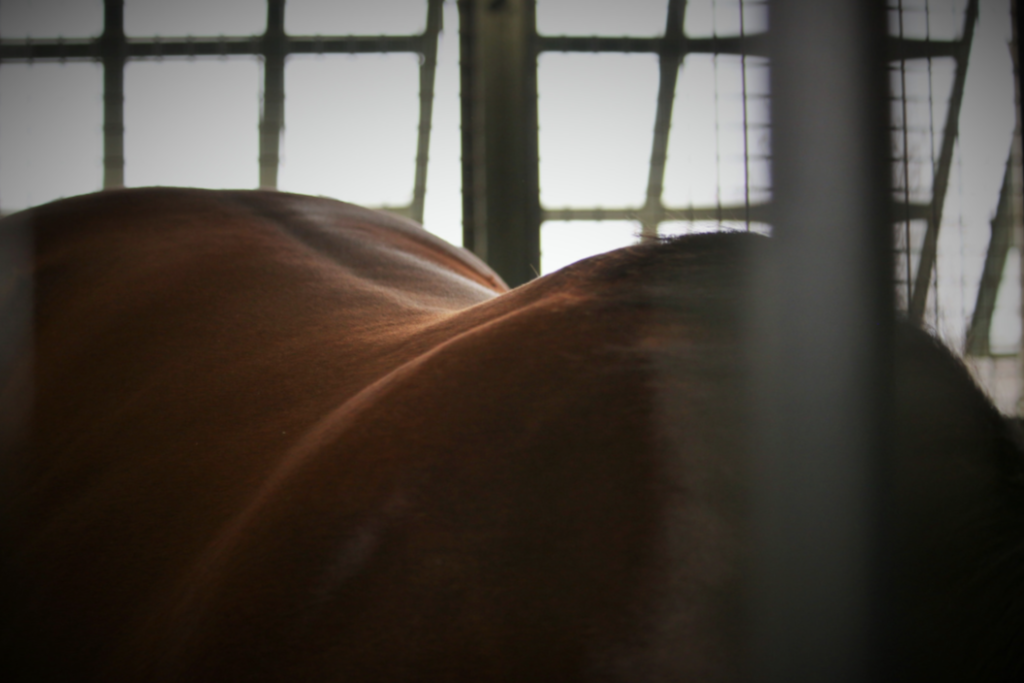
Click to view A few decades ago, ‘kissing spines’ was barely a term in the equine world. Horses with back pain were labelled difficult, disobedient, or simply unsound. Today, overriding dorsal spinous processes (ORDSP) is recognised as the most common cause of primary back pain in horses, with surgical interventions costing upwards of £1,700 per […]
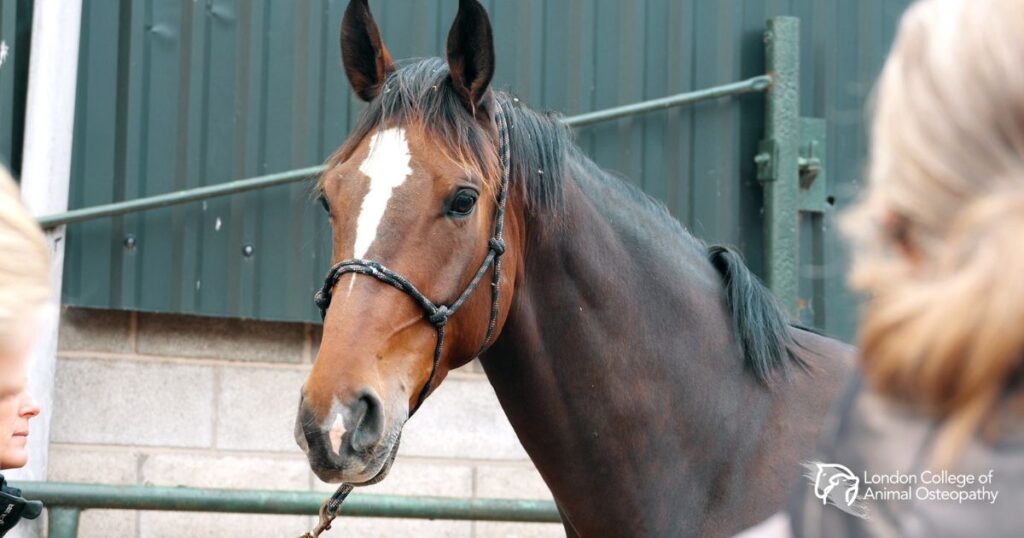
Click to view The hands of the osteopath remain the primary diagnostic instrument — palpation, motion testing, and clinical observation form the bedrock of assessment. But in a high-performance equine context, where the margin between subclinical dysfunction and career-ending injury can be measured in days, the question of whether objective imaging tools can add value […]
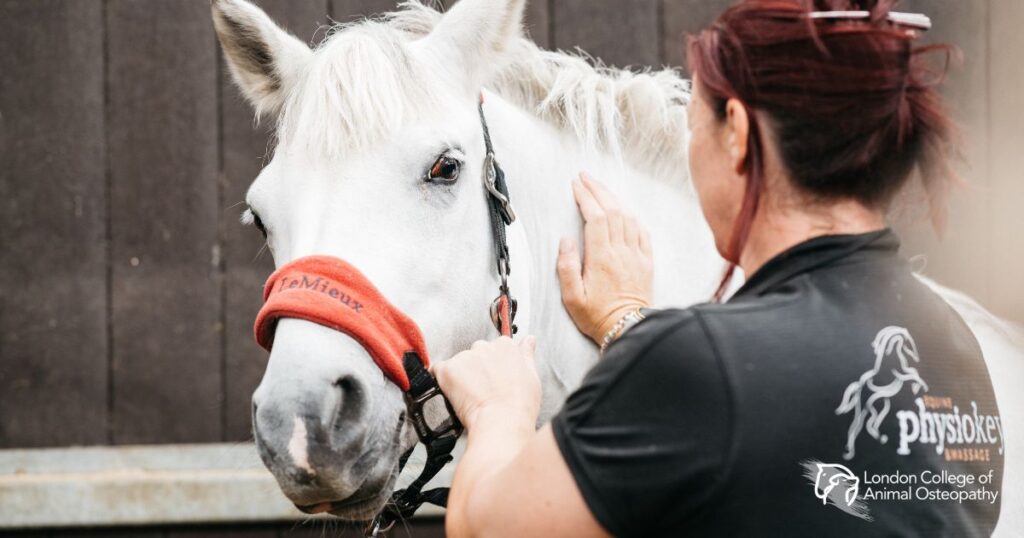
Click to view A horse grazes for up to sixteen hours a day under natural conditions. That means the temporomandibular joint — the TMJ — is one of the most continuously loaded structures in the equine body, yet it remains one of the least studied. While human TMJ dysfunction has attracted decades of clinical research, […]
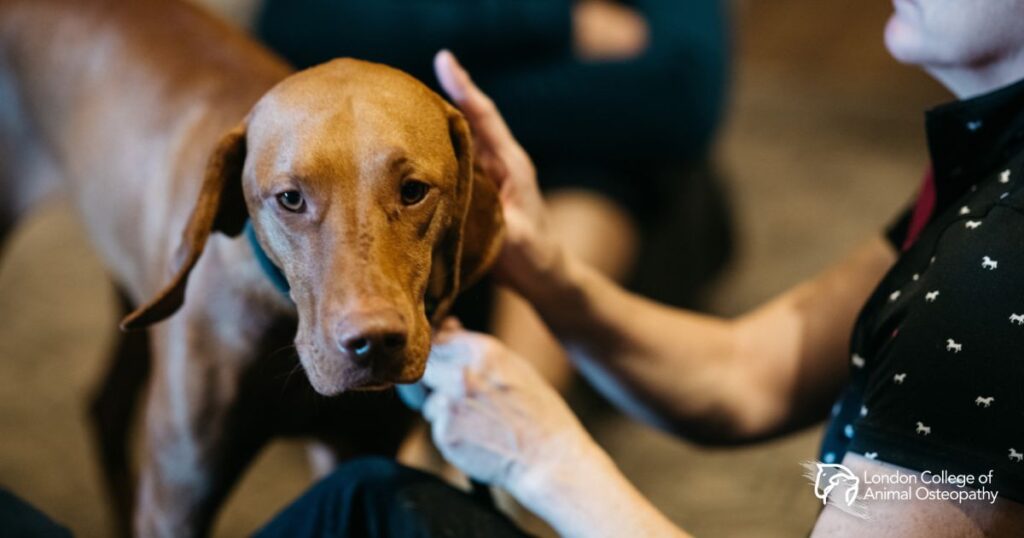
Click to view A nine-year-old Labrador narcotics detection dog presents with a drop in running speed. He has a history of shoulder arthritis, has recently fallen on rough ground, and is not responding to anti-inflammatories. The obvious diagnosis seems to be a flare of his existing condition. But one finding keeps nagging — a thoracolumbar […]
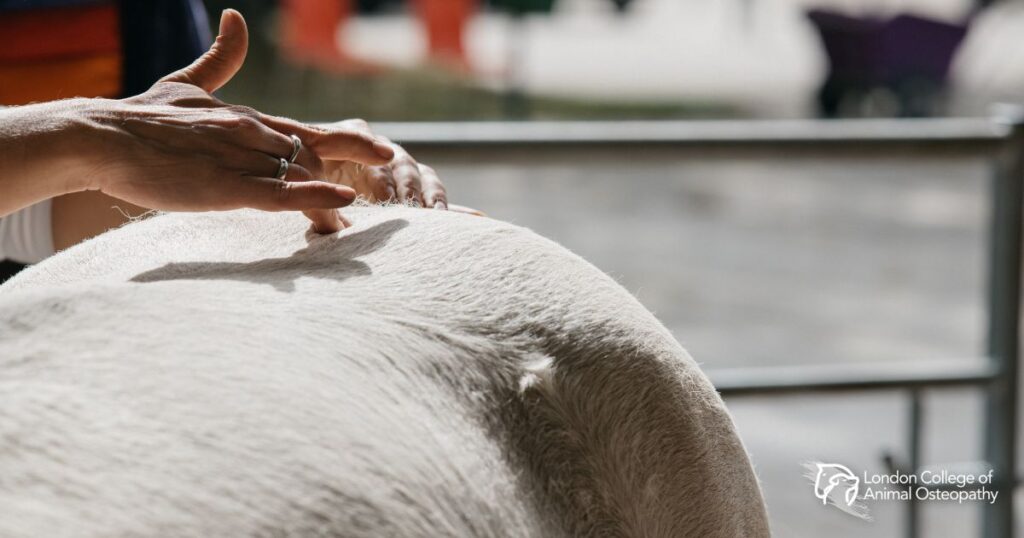
Click to view Sacroiliac joint dysfunction sits at the intersection of frustration and complexity in equine practice. Horses are stoic creatures — pain is masked, subtle gait changes are dismissed as training problems, and by the time a diagnosis is confirmed, the damage is often well established. This thesis by Emma Ramanathan asks a question […]
Click to view A horse that weaves in its stable, cribs obsessively, or shies at the slightest movement is often labelled simply as ‘difficult’ or ‘nervous’. What is less commonly asked is whether that horse is in pain, and whether the behaviour is a sophisticated survival response rather than a character flaw. In her thesis […]
Click to view What if the reason a horse’s hoof won’t balance is not a farriery problem — but a whole-body problem rooted in the thoracic sling? That is the provocative and clinically compelling question at the heart of this thesis by David Harrison Schaefer, a practising farrier who undertook equine osteopathy training at LCAO […]
Click to view Most people think of a muscle injury as a structural problem — damaged fibres, inflamed tissue, restricted joint movement. But what if the most significant and lasting changes after an injury happen not in the muscle itself, but in the nervous system that controls it? This is the central insight of Constanze […]
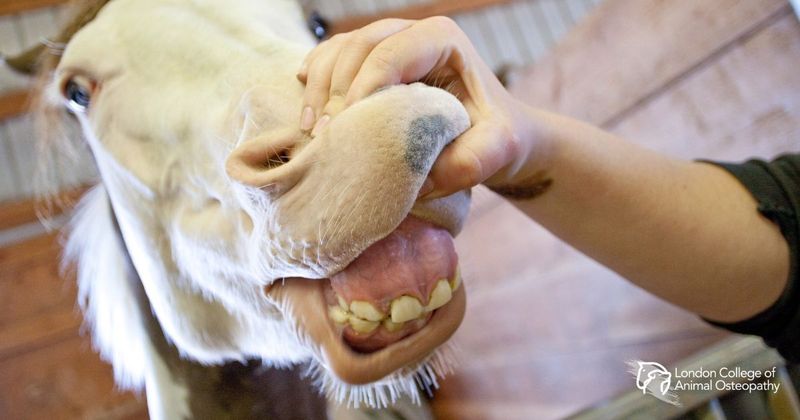
Click to view Statistics about equine dental disease are striking. A 1994 survey of 500 equine skulls found evidence of dental disease in 80% of subjects. By 2012, a UK study identified dental irregularities in 95.4% of horses aged fifteen and over — yet only a quarter of owners were aware their horse had a […]
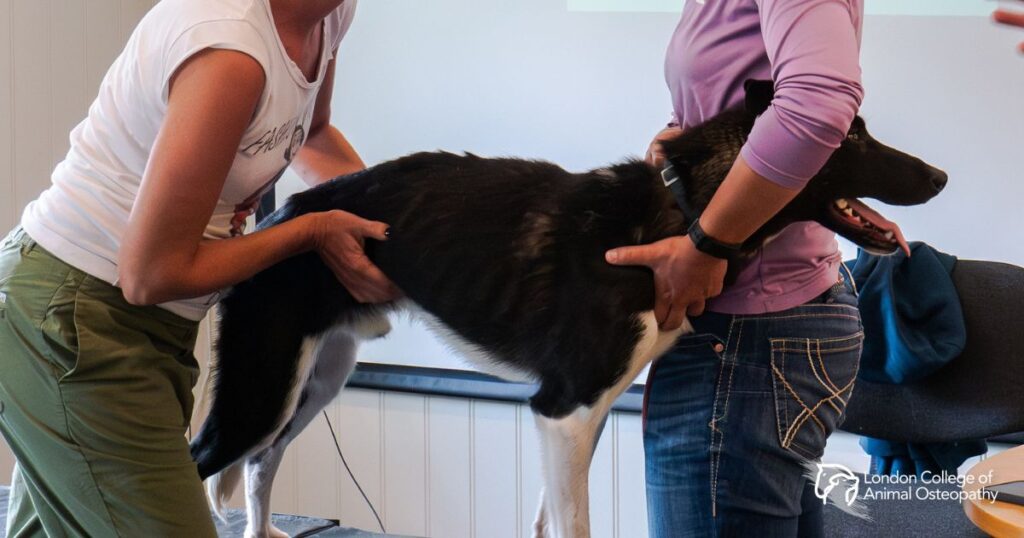
Click to view Fascia, often overlooked, is a foundational structure in the body: a continuous, intricate network of connective tissue that dynamically connects muscles, bones, organs, vessels, and nerves. It functions as a critical communication system influencing movement, posture, immunity, and pain. For canine osteopaths, a deep understanding of fascia is essential. In this compelling […]
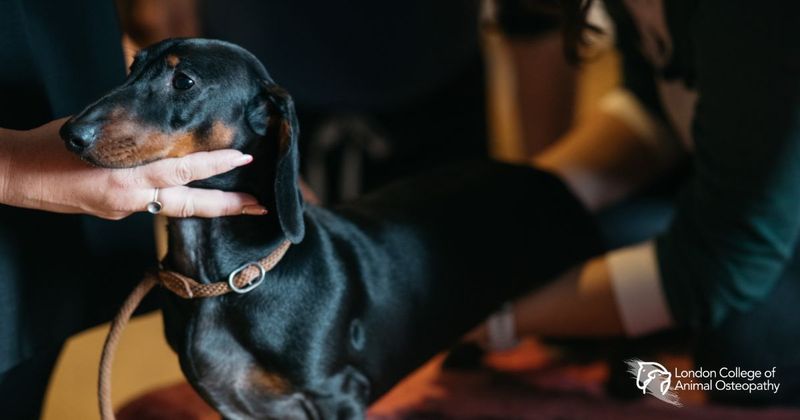
Click to view The pelvic floor is rarely the first place a dog owner or even a veterinarian looks when a dog develops incontinence, postural problems, or tail dysfunction. Yet the pelvic diaphragm — a complex musculo-fascial structure forming the caudal boundary of the pelvic cavity — plays a surprisingly central role in a wide […]
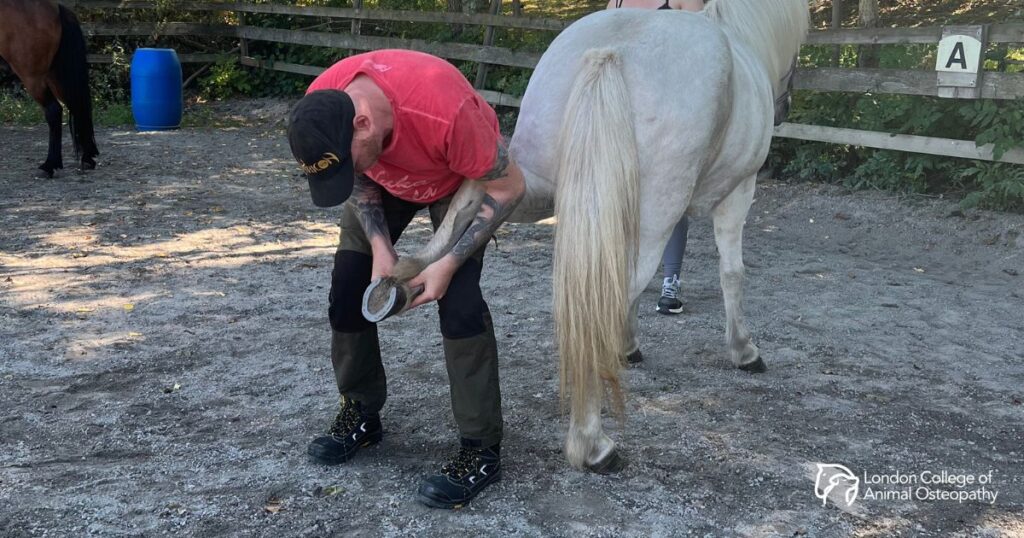
Click to view The hoof is often treated as a farriery problem — a question of angles, balance, and correct trimming. But what if poor hoof morphology is not just a foot problem, but a whole-body problem? In this thought-provoking and expertly reasoned thesis, Cheryl Hammerson makes the case that osteopathy and farriery are not […]
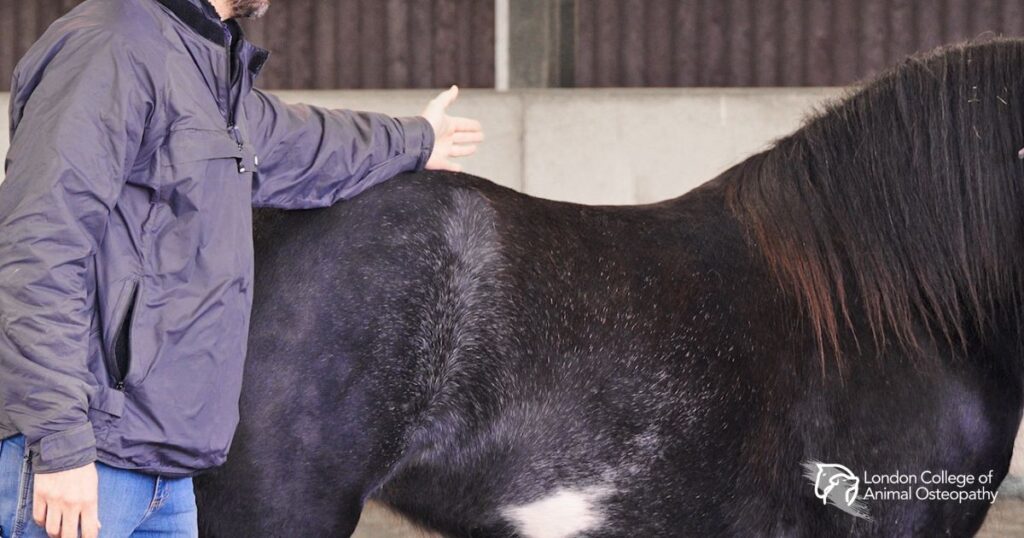
Click to view Equine osteopathic manual therapy is widely used to improve biomechanics and support rehabilitation, yet its systemic physiological effects have rarely been rigorously measured. In this thesis, Carla Pujadó analyses the findings of a landmark controlled study involving thirty Thoroughbred horses to examine how a single OMT session — using Pascal’s high-velocity, low-amplitude […]
Click to view Every horse carries its physical history in its body. The old falls, the awkward landings, the years spent compensating for an undiagnosed restriction — these experiences accumulate as somatic dysfunctions that quietly shape how a horse handles, moves, and responds under saddle. In this practical and perceptive thesis, Bethany Rice — drawing […]
A puppy tumbling across the floor looks the picture of uncomplicated health. They bounce, they stumble, they right themselves and tumble again. And yet, beneath that joyful chaos, something quite remarkable — and quite vulnerable — is happening. The musculoskeletal system of a young dog is not simply a miniature version of the adult. It […]
Click to view What separates a well-trained horse from a truly high-performing one? According to Asia Peruzzetto’s thesis, the answer lies not in genetics or training intensity alone, but in the structural harmony that underpins every stride, jump, and transition. Her comprehensive exploration focuses on the role of osteopathy in equine athletic performance. By integrating […]
Click to view When a horse resists the aids, tosses its head, or suddenly loses rhythm through a transition, the instinct is often to look at the training. But what if the problem isn’t in the schooling — what if it’s in the body? This is the central question explored in Anne Éfféré’s thoughtful and […]
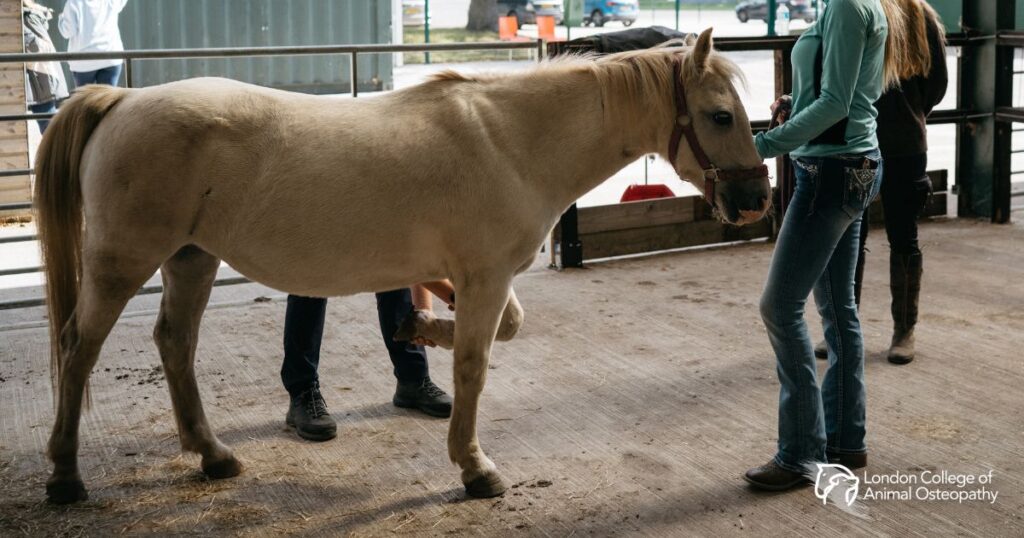
Click to view Alexandra Jones’s comprehensive thesis highlights a critical issue in veterinary practice: the equine sacropelvic region, despite its immense biomechanical significance, remains clinically underserved. This area is vital as the pivot point for transferring propulsive force from the hindlimbs to the spine, a key stabiliser during stance, and a frequent source of performance […]
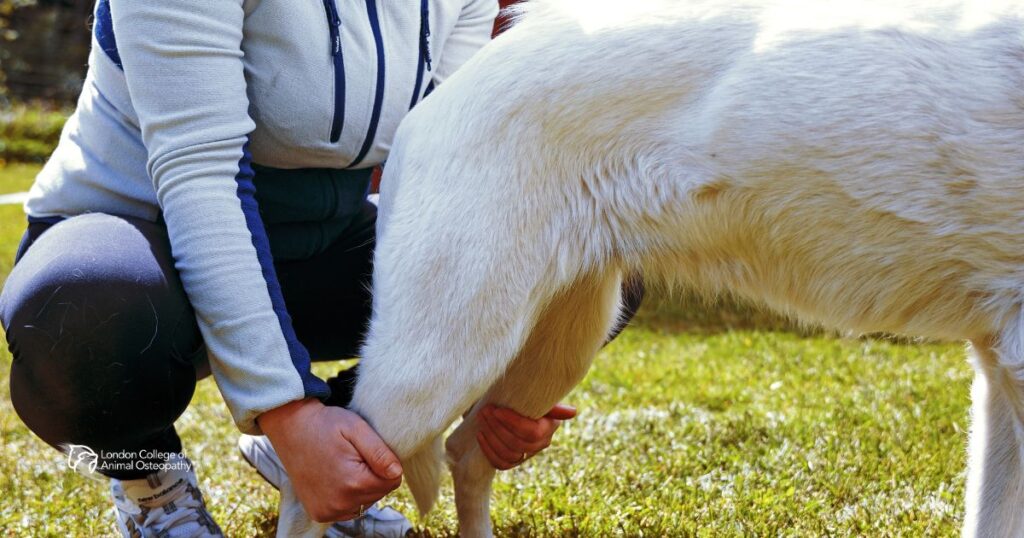
You’ve taken a thorough case history before. You know the questions to ask: previous injuries, surgical history, current medications, competition or working demands. You have a system, and it works well. Then a rescue animal walks through the door, and half the boxes on your intake form simply can’t be filled in. This is one […]
By Chris Bates M.Ost DipAO Are you an animal professional? Have you ever had that creeping feeling that you are not good enough? Working with animals feels like a calling for many and has deep meaning for those who undertake an animal-based career. This is why it can be deeply unsettling when feelings of inadequacy […]
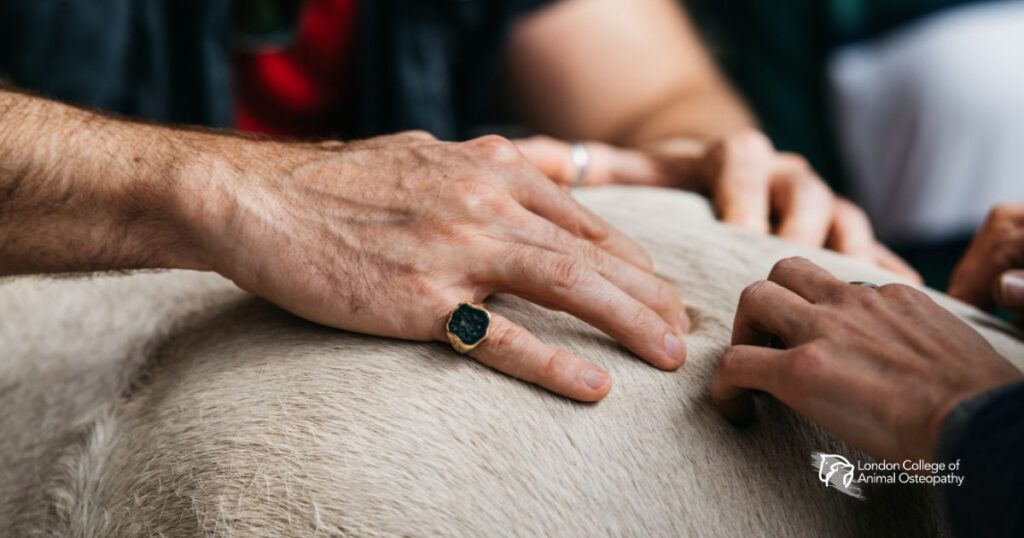
By Chris Bates M.Ost DipAO To the untrained eye, it can appear that osteopaths have some mystical ability to understand an animal and their condition simply by laying their hands upon them. But it’s not magic — it’s palpation. Palpation is the refined art of feeling and assessing the condition of an animal by touch. […]
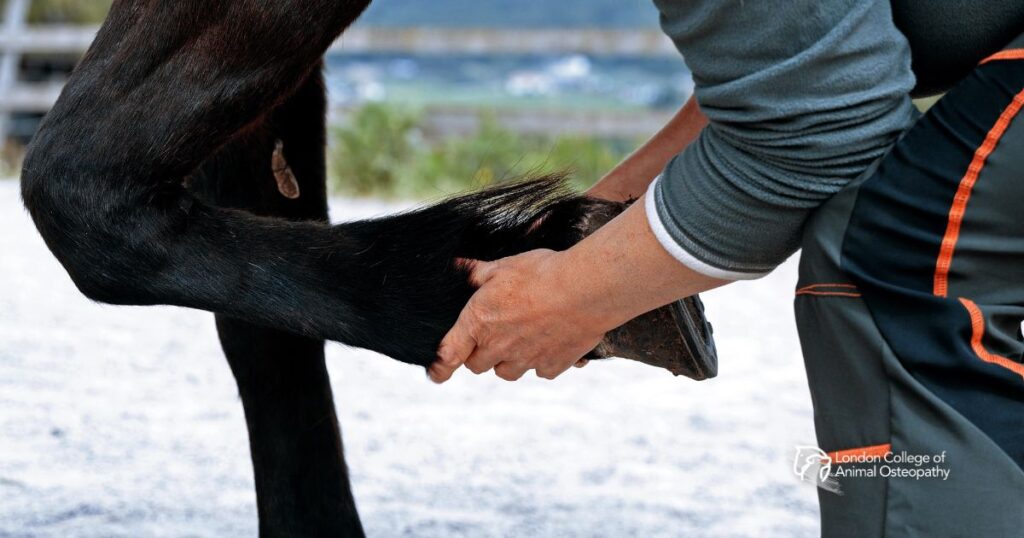
Navicular syndrome remains one of the most challenging and emotionally draining diagnoses in equine medicine. For decades, it has frustrated veterinarians, farriers, therapists, and owners alike — not because it is rare, but because it is complex, progressive, and rarely simple to manage well. Traditionally, navicular disease treatment focused on pain control and corrective shoeing. […]
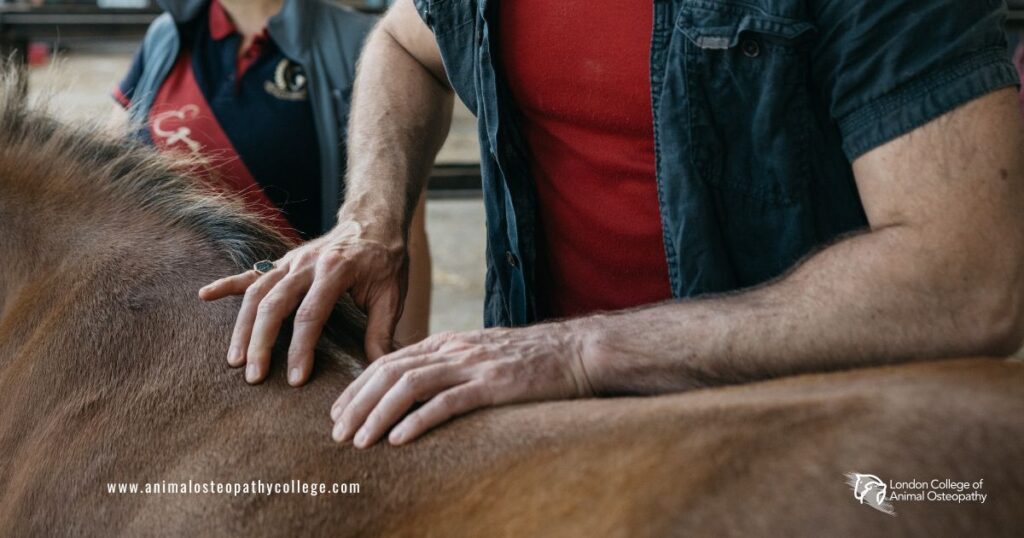
By Chris Bates M.Ost, DipAO, EEBW, BHSAIThe term “meridians” is used across the therapeutic industry to describe a number of things. The interchangeable use can create confusion around what a therapist is actually doing and the models they are using to assess and treat an animal. The fact remains however that the word is very […]
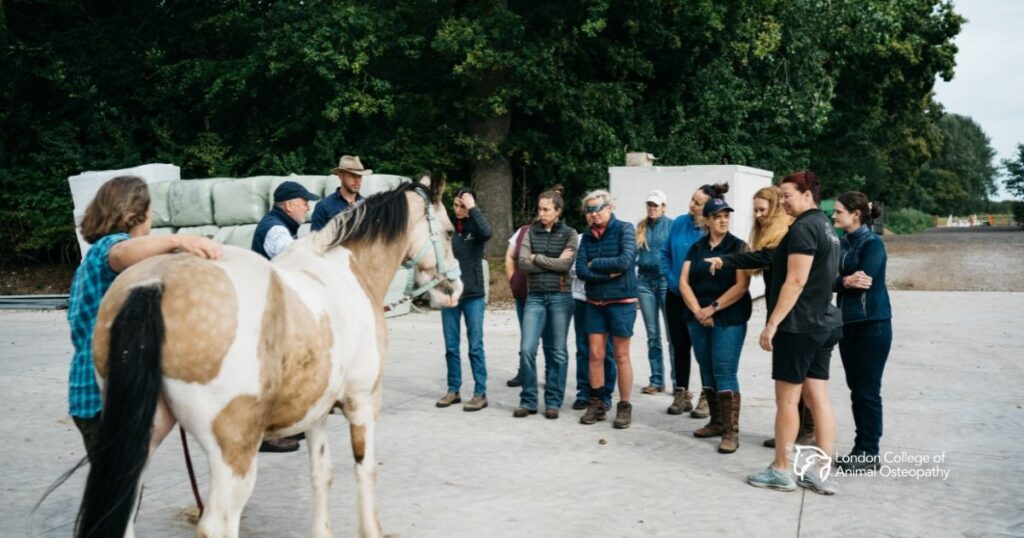
The path to becoming an animal osteopath combines professional expertise in animal health with specialized training in classical structural osteopathy—creating rewarding careers that bridge manual therapy and veterinary collaboration. For healthcare professionals, veterinarians, and animal therapy practitioners exploring how to become an animal osteopath, understanding animal osteopathy requirements, certification pathways, and career prospects provides the […]
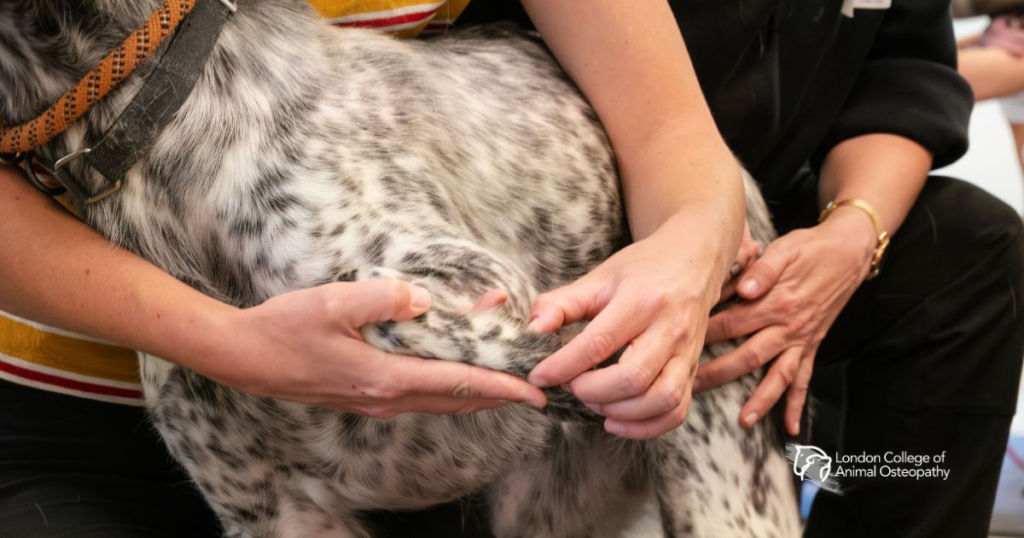
Animal osteopathy offers rewarding careers. Learn about vet expansion opportunities, urban canine shortages & accessible training pathways. For those with a passion for animal welfare and a desire to make a tangible difference, animal osteopathy offers a deeply rewarding career path. Whether you’re a veterinary professional seeking to expand your clinical toolkit, a healthcare […]
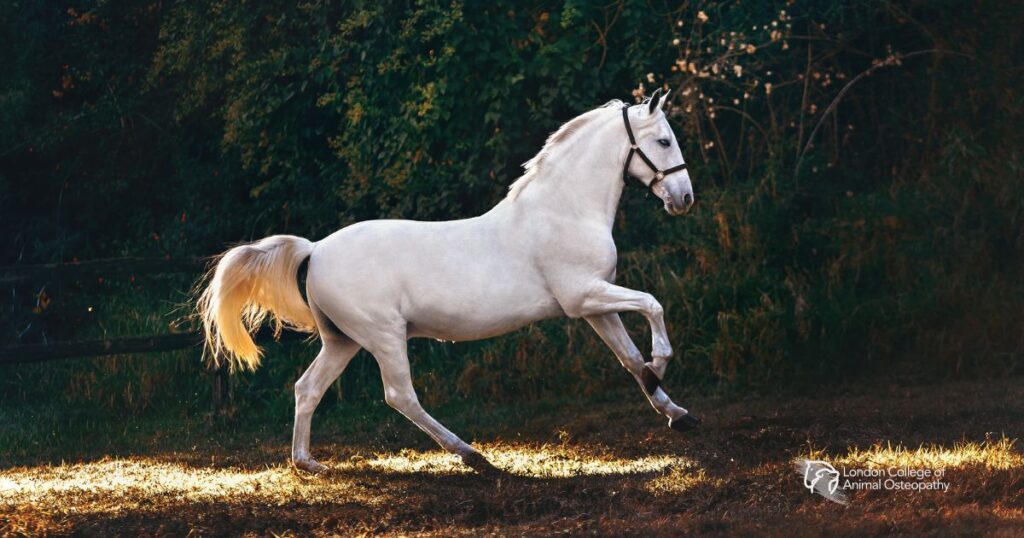
Click to view Elite dressage places extraordinary demands on the horse. Pirouettes, piaffe, passage, tempi changes — each of these movements loads the hindlimbs, strains the lumbar-sacral region, and requires sustained cervical flexion that, over time, can tip from healthy exertion into chronic dysfunction. Dr. Amelie Villeneuve-Moore’s rigorously researched thesis asks a precise and important […]
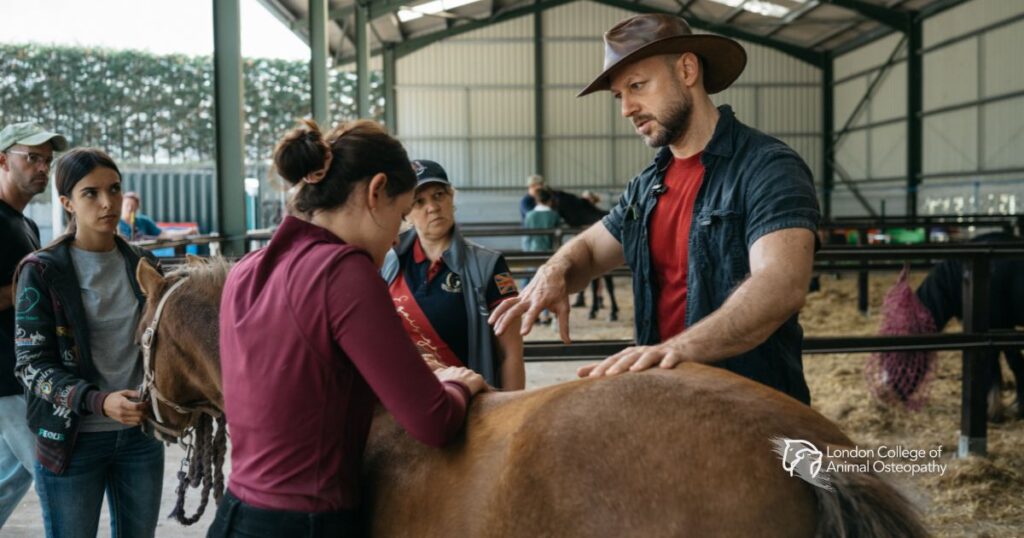
By Chris Bates M.Ost, DipAO, EEBW, BHSAI One of the first things I get asked in my work as an Osteopath is “What is the difference between Osteopaths, Chiropractors, and Physiotherapists?” The fact of the matter is, many people have no idea what the difference is and why there are so many types of practitioners. […]
Energy Work and Animal Patients: Beyond the Physical By Chris Bates M.Ost, DipAO, EEBW, BHSAI In the animal therapeutic industry, energy workers, Reiki healers, and other more esoteric practitioners have been present for a very long time. Considering the history of energy work, it could be argued that they were there first. Due to the […]
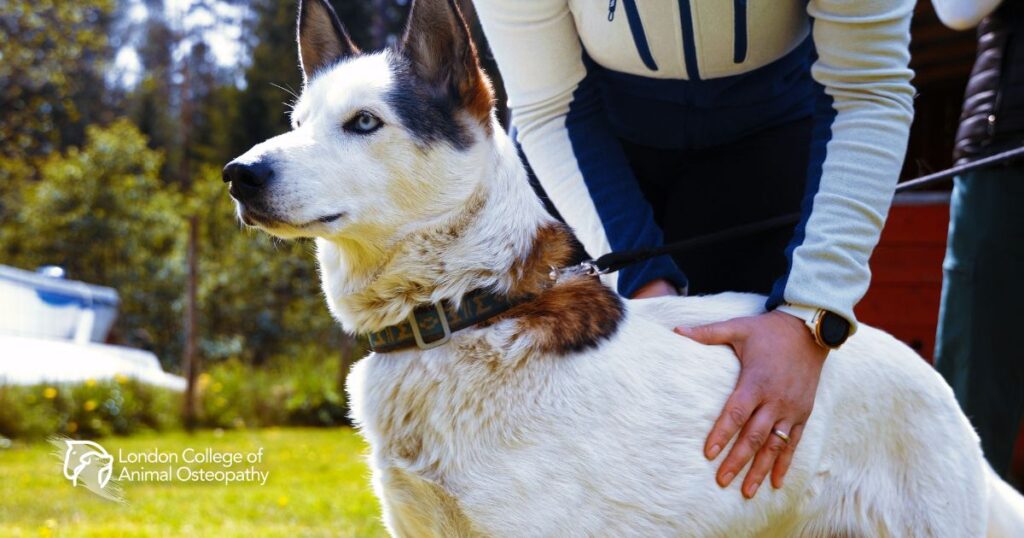
Click to view Some of the most clinically challenging cases in veterinary practice are those where something is clearly wrong — a dog moves differently, holds itself awkwardly, reacts to touch in ways that suggest discomfort — but where imaging produces nothing conclusive. These are the patients that idiopathic somatic dysfunction describes: functional impairment without […]
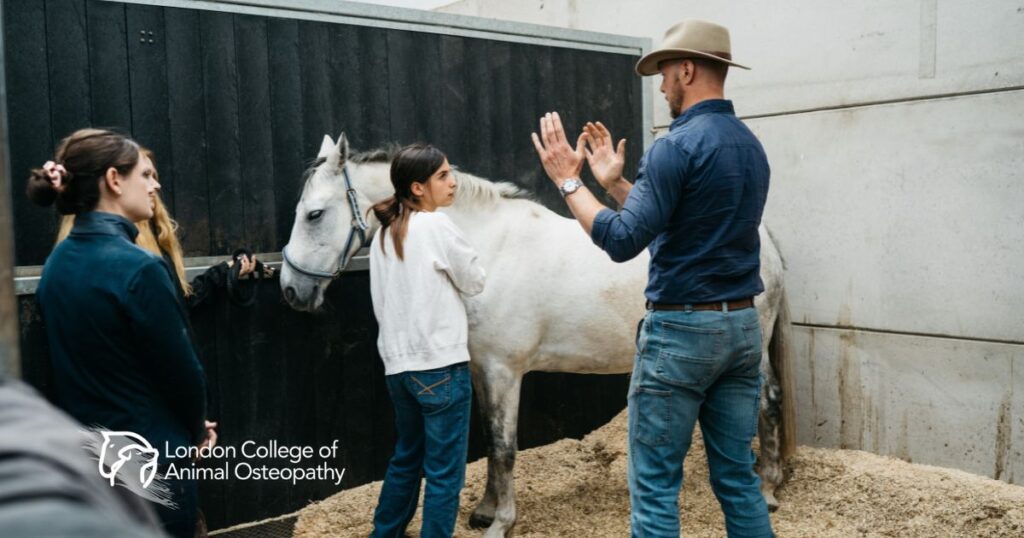
Animal osteopathy is an exciting and expanding profession that brings osteopathic principles into the world of animal healthcare. Whether you’re already working with animals or transitioning from human osteopathy, this guide explains how to become an animal osteopath, the educational pathways available, and what to expect in terms of professional requirements and career opportunities. What […]

Click to view Castration is the most commonly performed surgical procedure in equine practice. It is also one of the most routinely dismissed when it comes to long-term consequences. The scar heals, the horse goes back to work, and the surgical site is rarely examined again. Yet equine osteopaths have long observed that geldings sometimes […]
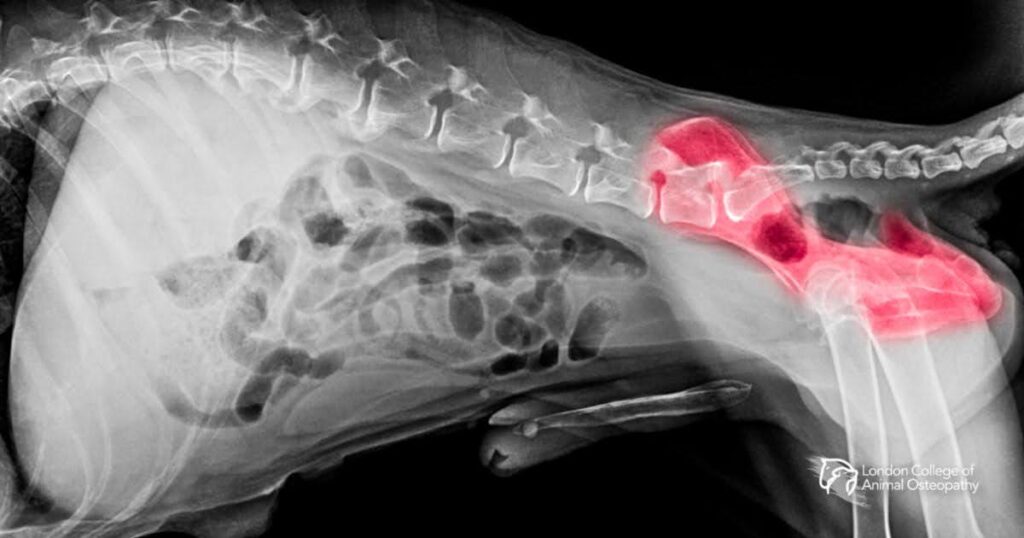
Understanding Hip Dysplasia in Dogs Hip dysplasia in dogs (often called CHD, or canine hip dysplasia) is a developmental joint condition in which the femoral head and the acetabulum don’t form a stable, congruent ball-and-socket joint. Over time, that laxity causes abnormal wear, inflammation, and osteoarthritis. Clinical signs range from subtle exercise intolerance to obvious lameness. […]
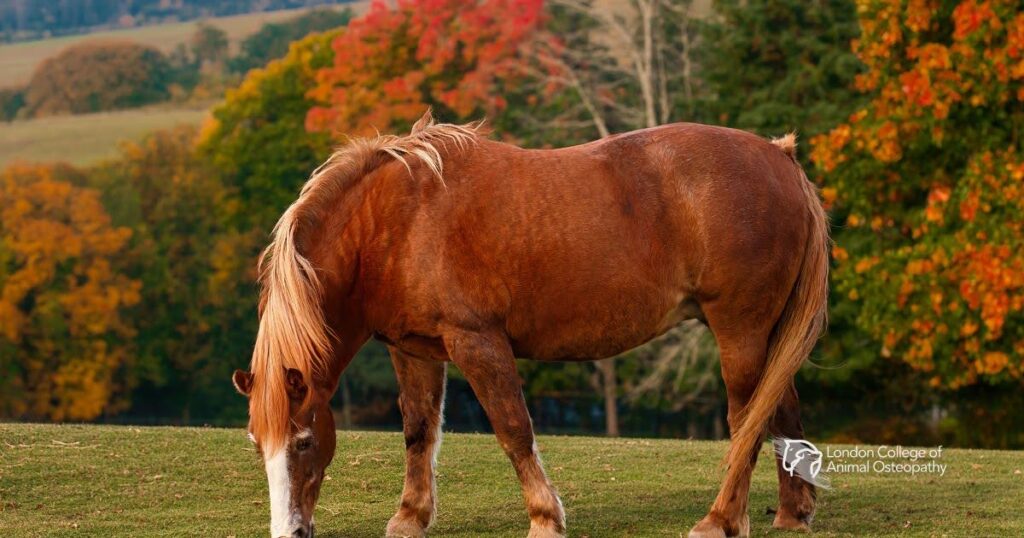
Autumn is sometimes thought of as a “safe” season for horses after the spring grass surge – but in many regions, it brings its own laminitis risks that are easily missed. Here we’ll take a look at why autumn can be hazardous, what usually causes laminitis at this time of year, modern veterinary treatments and […]
Chris Bates Registered Osteopath and Animal Osteopath This article will be a little different and sit apart from the more academic ones. I will be including my personal experience here and opening up about the impact of grief for an animal loved one. I warn anyone who is suffering grief at the time of reading […]
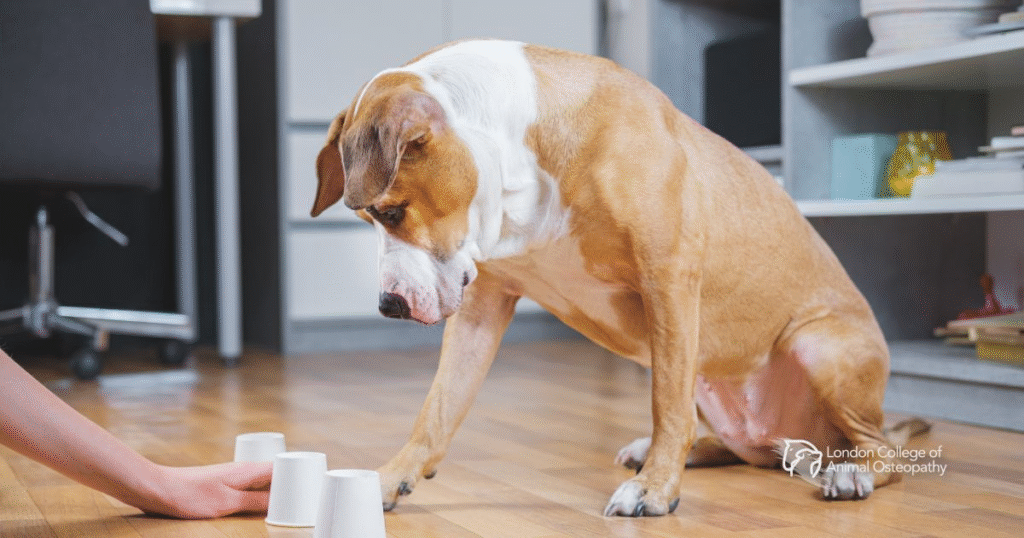
Enrichment is an essential component of canine well-being, but not all activities are appropriate for every dog. For the educated practitioner, recognising red flags and adapting plans is critical – not only to prevent injury but also to ensure that enrichment complements, rather than conflicts with, osteopathic care. Why Contraindications Matter Enrichment introduces variability in […]

In the previous discussion, we examined enrichment as a concept that aligns closely with osteopathic principles of health maintenance and functional integrity. Now, let us move from theory to practice by exploring specific enrichment activities and how they influence the canine body on a structural and physiological level. Designing Enrichment with Purpose While all enrichment […]
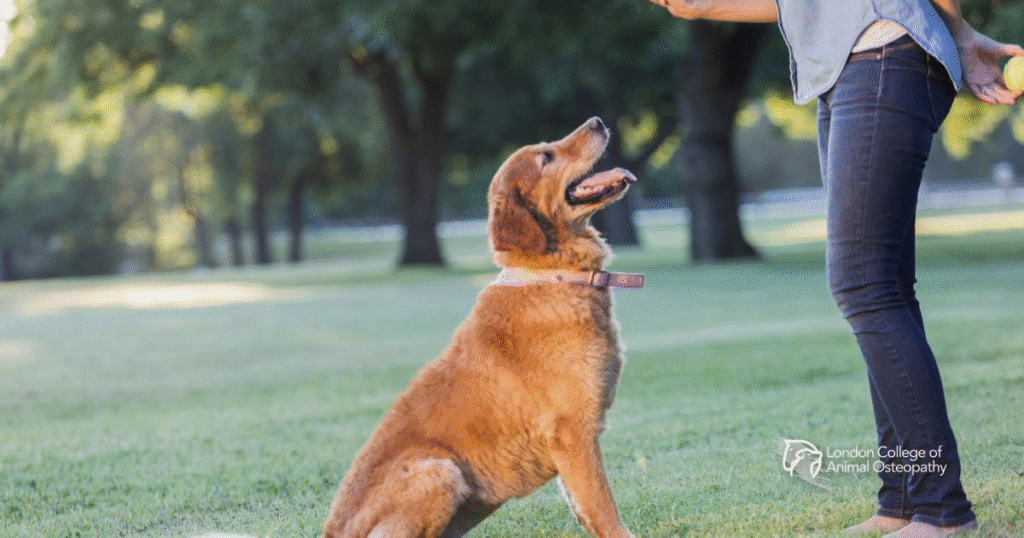
Canine enrichment has evolved far beyond the notion of entertainment. For the educated practitioner, enrichment is understood as a cornerstone of both physical and neurological health. Dogs, as sentient, highly adaptable beings, require more than food and shelter to thrive. They need structured activities that challenge their cognitive abilities, engage their sensory systems, and maintain […]

Equine nutrition lies at the heart of any horse’s well-being, from a leisurely pasture companion to a champion athlete. As hindgut fermenters, horses digest fiber through a delicate, microbe-rich large intestine rather than through a multi-chambered stomach like ruminants. This fundamental difference means they thrive on frequent, steady intake of forage, yet remain exceptionally vulnerable […]
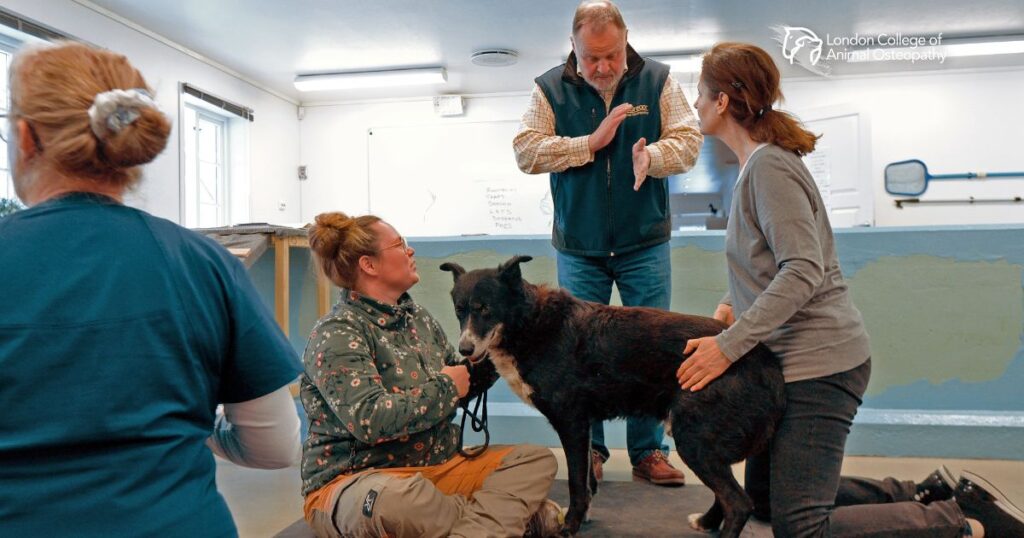
The practice of osteopathy has long been associated with human health, focusing on structural balance, functional movement, and the intricate relationship between body systems. However, in recent years, there has been growing recognition of the profound benefits osteopathic principles can bring to the care of animals. For qualified human osteopaths, this represents a unique and […]
Urban life offers a different rhythm for our companion animals compared to their rural counterparts. While veterinary professionals are well-versed in the obvious welfare concerns, such as diet, vaccination, and parasite control, there is a growing need to consider the subtler, cumulative effects of an urban environment on the musculoskeletal, neurological, and overall functional health […]
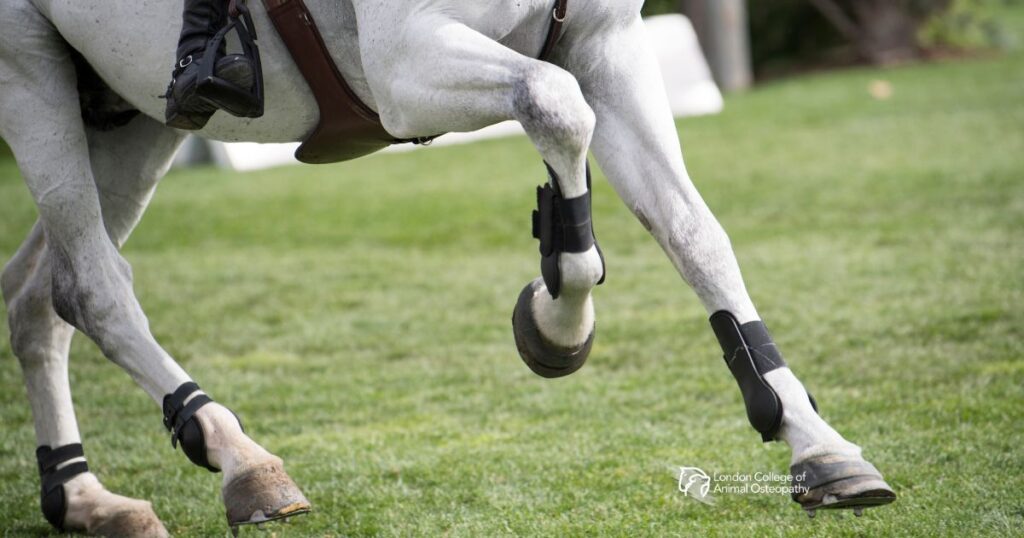
Click to view The demands placed on an elite sport horse are extraordinary. Whether jumping combinations at speed, performing collected dressage movements, or racing under load, these animals are required to operate at the edge of their physical capacity — often day after day, season after season. It is no surprise that managing their health […]
We often think of a pet’s bad mood as a behavioural problem. A dog growls more than usual, a horse pins its ears when being tacked up, or a normally affectionate cat hides under the bed. While temperament certainly plays a role in how animals interact with the world, sudden changes in mood or willingness […]
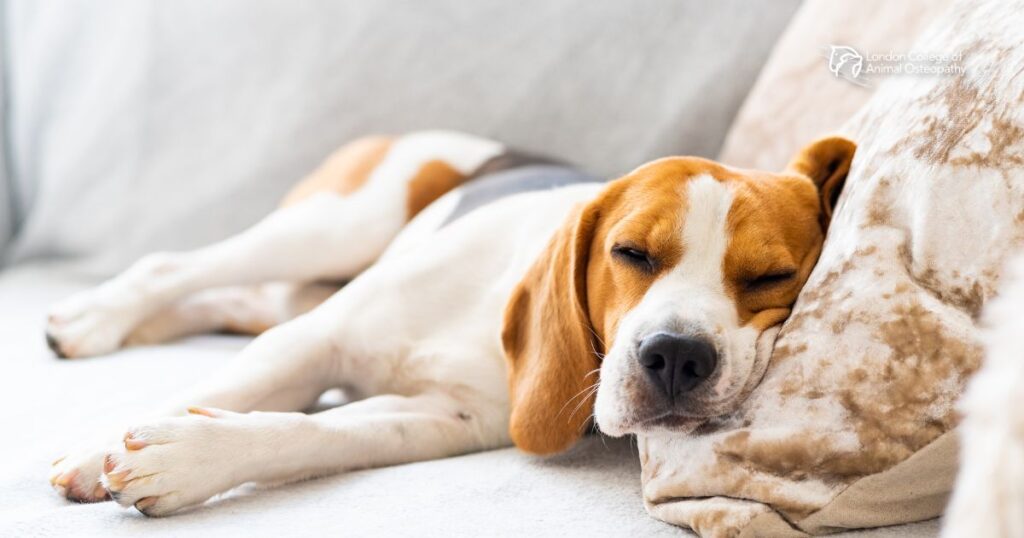
From the high-speed zoomies around the garden to the blissful snoring under a blanket, our pets move through a wide range of daily activity. But just like in humans, quality sleep is essential for their health, impacting everything from recovery and immunity to mood and behaviour. Interestingly, manual therapy techniques such as massage and soft-tissue […]
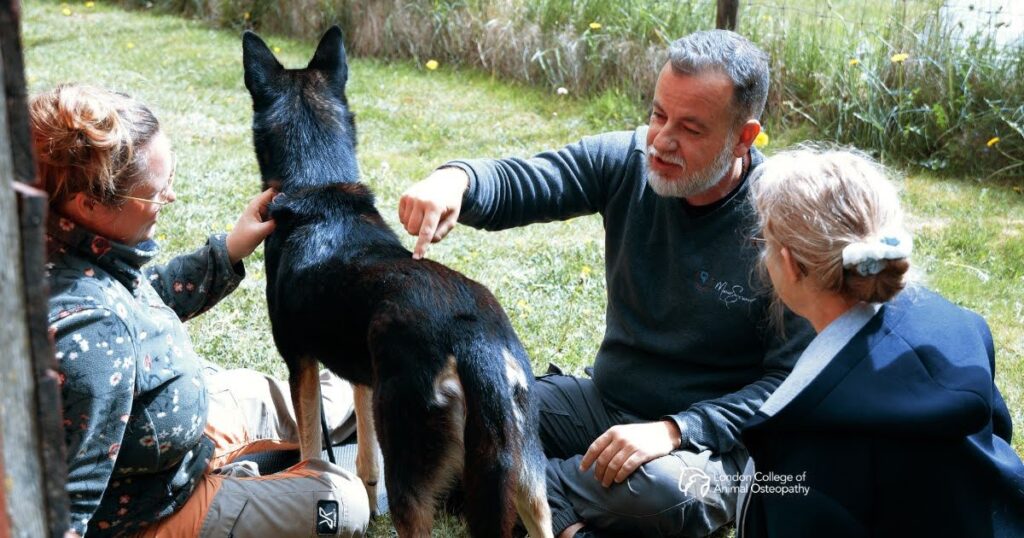
Post-surgical rehabilitation plays a vital role in helping animals return to function, reduce pain, and strengthen musculoskeletal integrity. Among the tools employed, manual therapy – ranging from passive range-of-motion to massage and joint mobilisation – holds promise. Yet, as with any intervention, its use must be grounded in evidence, guided by physiology, and tailored to […]
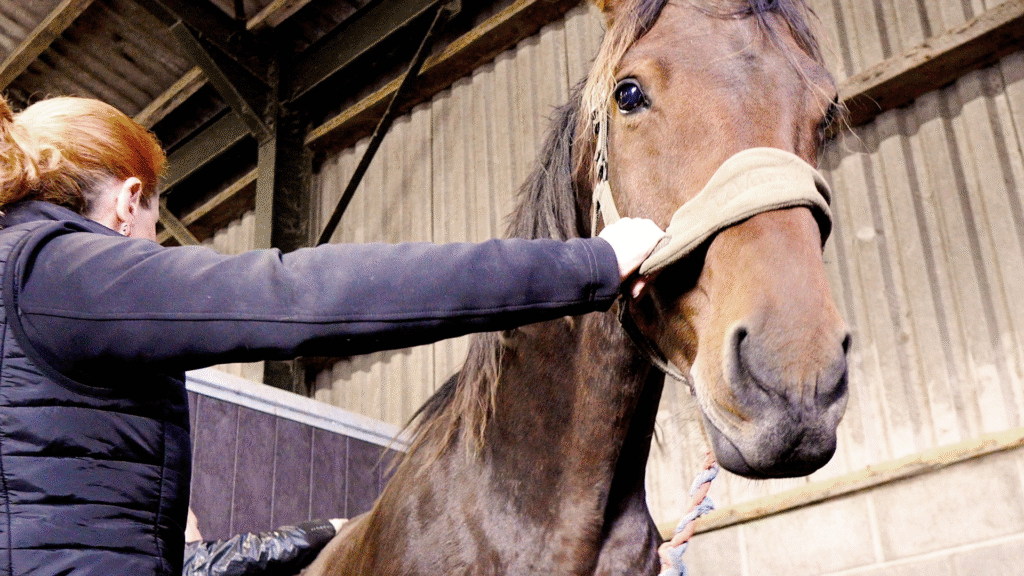
Click to view For horses affected by trigeminal-mediated headshaking, the prognosis is sobering. The condition — characterised by violent, involuntary vertical flicking of the head, nasal irritation, and profound distress, often triggered by exercise, light, or wind — has no confirmed cause and no reliably curative treatment. When EquiPENS, supplementation, and pharmacological options fail to […]
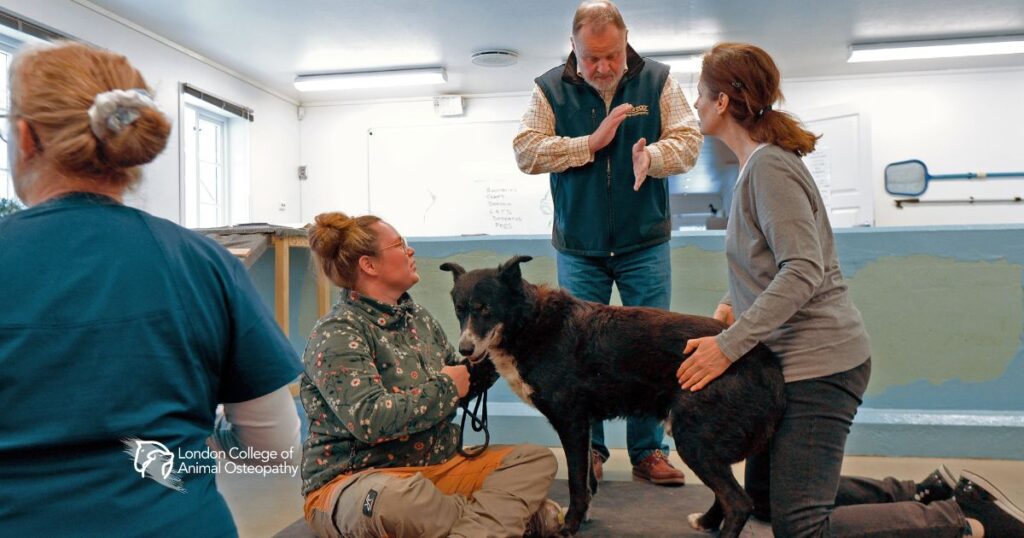
Unpacking Misuse in the Animal Health World “Holistic” is one of those words that sounds inherently good: caring, whole, thorough. It pops up in everything from grooming products to dog food, massage to medicine. But in the world of animal health, its use is often vague or, worse, misleading. So, what does it actually mean […]
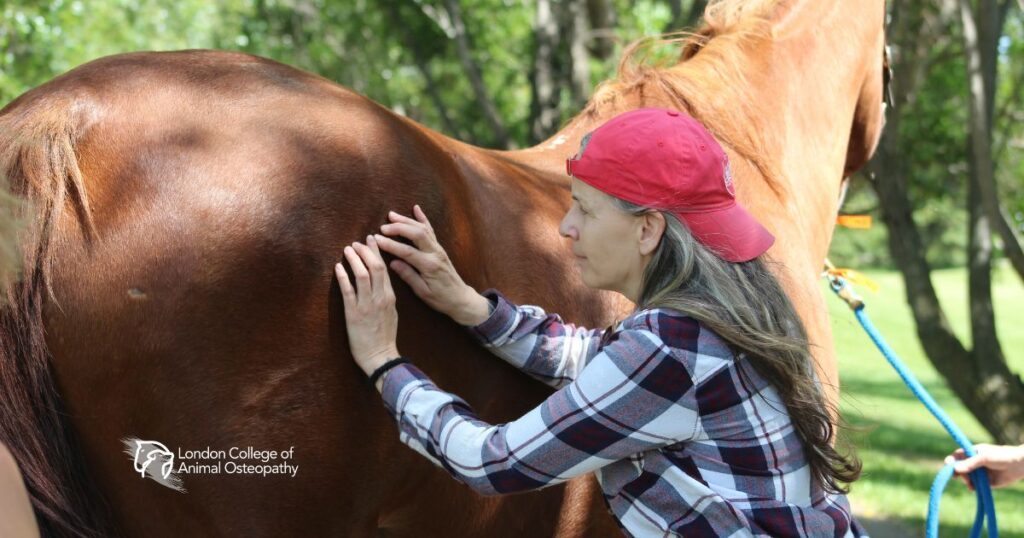
Chris Bates M.Ost DipAOs In the world of animal therapies and human therapies alike, there is a tissue that has until recent times remained poorly understood. Fascia plays a role in a variety of functions of the body and could also be responsible for some of the positive effects of therapies that we hadn’t even […]
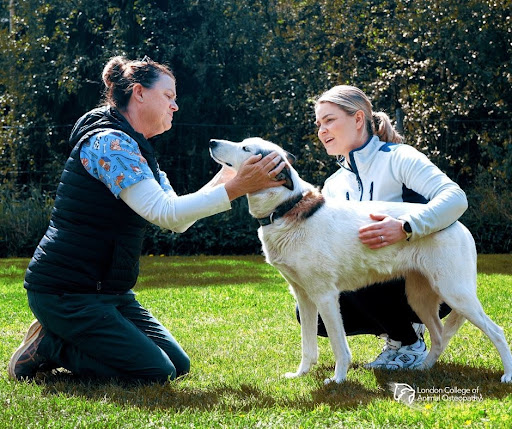
By Karen Lithgow – London College of Animal Osteopathy graduate, Animal Osteopath and Veterinary Nurse, LCAO Online Study Group Director Palliative care is often misunderstood as passive or limited to end-of-life scenarios. In reality, it’s about relieving discomfort, supporting function, and preserving quality of life, especially when curative treatment is no longer an option. Osteopathy […]
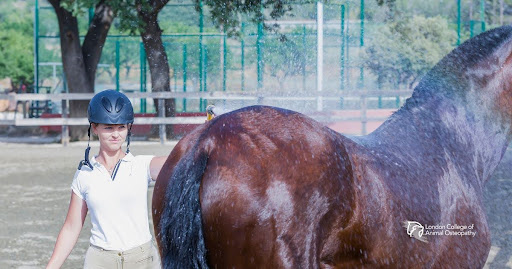
Some myths are hard to kill. Every summer, they resurface, usually in Facebook threads with 150 comments and rising tension. “Never hose a horse’s back!” “Don’t pour water on dogs; it traps the heat!” You’ve probably seen it. Maybe even argued it. So let’s cut through the noise and get down to what actually works, […]
Accurate assessment is critical in animal osteopathy. Sometimes, the most professional decision is knowing when not to treat. If you notice any of the following red flags during your evaluation, referring the animal promptly to a veterinarian isn’t just recommended; it’s essential for the animal’s safety and well-being. Sudden-Onset, Non–Weight–Bearing Lameness, Especially with Swelling Non–weight–bearing lameness (when […]
Chris Bates M.Ost, DipAO, EEBW, BHSAI Owners and riders of horses may, at some point, experience the frustration of not knowing what to do in the event of their horse becoming a “headshaker”. There can be many different reasons for horses to head-shake, and so the most important thing is to work with the Vet and […]
Exploring Cognitive Bias, Observer Bias, and Non-Specific Treatment Effects in Companion Animal Care In human healthcare, the placebo effect is well established. But what happens in veterinary care, where the patient can’t speak? While animals may not experience a placebo in the traditional sense, the caregiver placebo effect, observer bias, and non-specific treatment effects all […]
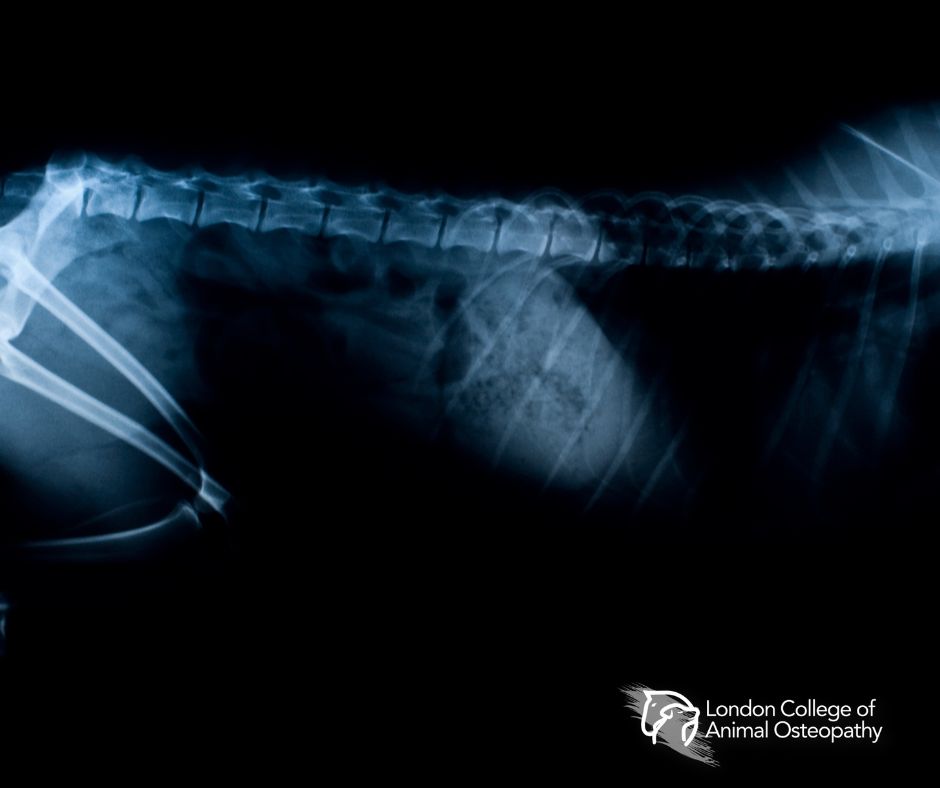
When we think about osteoarthritis (OA) in dogs, our minds often jump straight to the hips and elbows, and with good reason. These are the most commonly affected joints, particularly in breeds predisposed to hip or elbow dysplasia. But OA doesn’t always follow the “classic” patterns. In fact, it can show up in far less […]
May marks Veterinary Nursing Awareness Month (VNAM) in the UK, a time dedicated to recognising the invaluable contributions of veterinary nurses. Spearheaded by the British Veterinary Nursing Association (BVNA), this year’s VNAM carries the theme “Progression,” celebrating the evolution and advancement of the veterinary nursing profession over the past 60 years. The Multifaceted Role of […]
Osteoarthritis in Horses and Dogs: Understanding the Condition and Supporting Long-Term Wellness May is Arthritis Awareness Month, a time to shed light on one of the most common, and often misunderstood, degenerative conditions affecting animals: osteoarthritis (OA). Whether it’s an aging Labrador struggling to get up or a sport horse becoming subtly uneven under saddle, […]
In recognition of May as Arthritis Prevention Month, Dr. Mario Soriano, DVM and Director of Veterinary Studies at the London College of Animal Osteopathy, explains how incorporating Equine Osteopathy into the maintenance program of sport horses reduces joint injuries, increases recovery rates, and improves the overall well-being of horses. Valencia, May 5, 2025 — Joint health […]
In the bustling heart of the city, amid high-rises, traffic, and concrete, an unexpected movement is quietly gaining momentum: the rise of animal osteopathy and holistic therapies in urban environments. Once considered niche or rural, these hands-on approaches are proving essential for city-dwelling animals coping with the unique physical and emotional demands of urban life. […]

As animal osteopaths, we pride ourselves on our ability to support the mobility, comfort, and well-being of our clients. But effective care doesn’t always mean hands-on treatment. In fact, sometimes the best decision we can make is not to treat, but instead, refer. Whether it’s a dog presenting with acute lameness or a horse with neurological […]

Chris Bates M.Ost DipAO EEBW BHSAI Well, here I am again, going into my thoughts about Osteopathy and putting them down in writing. Last time in the “Musings of an Osteopath” series, I discussed my introduction to Osteopathy and a little about the industry and how it progressed. This time I want to talk about what […]

Animal osteopathy is a rapidly growing field that offers practitioners the opportunity to make a real difference in the lives of animals. If you have a passion for animal health and are considering a career in this field, the London College of Animal Osteopathy (LCAO) provides a comprehensive education that prepares you for success. What […]

An Overview of Common Canine Pathologies: Clinical Features, Treatment Approaches, and the Role of Osteopathy Here, we explore prevalent canine pathologies, highlighting clinical signs, conventional treatment modalities, and the potential role of osteopathy in canine care. Emphasis is placed on the scope and limitations of osteopathic intervention within evidence-based veterinary frameworks. Osteoarthritis (Degenerative Joint Disease) […]
Chris Bates M.Ost, DipAO, EEBW, BHSAI Many horse owners and equine professionals will have come across a horse with the diagnosis of “Kissing Spines,” but despite the widespread occurrence, there appears to be considerable confusion and conflicting information around causative factors and the management of the condition. Here I aim to demystify the condition and provide […]

Chris Bates M.Ost, DipAO, EEBW, BHSAI Let’s take a look at an often misunderstood condition affecting many horses worldwide, Equine Metabolic Syndrome or “EMS”. For horse owners and the professionals who care for and treat horses, understanding conditions such as EMS can enhance the horse’s welfare by ensuring that appropriate interventions are put into place. […]

Osteopathy, a form of manual therapy focusing on the musculoskeletal system, has been increasingly applied in veterinary medicine to aid post-veterinary treatment recovery in animals. This approach emphasises the interrelationship between structure and function, aiming to restore mobility, alleviate pain, and enhance overall physiological function. Understanding Osteopathy in Veterinary Medicine Animal osteopathy is an integrated […]
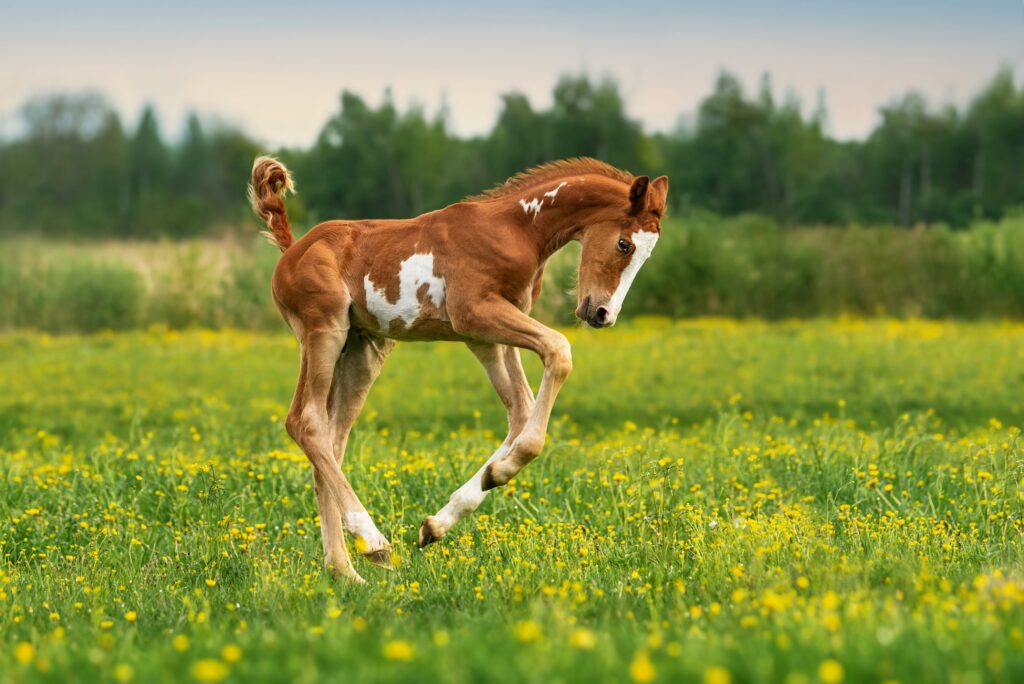
Another standout work by an LCAO student! Read about Osteopathy and its effects on foals and growing horses in a thesis by International Diploma in Equine Osteopathy student, Claire Delisle Legrand.

Fascia: The Overlooked Key to Animal Mobility and Health What is Fascia? Fascia is a continuous, connective tissue network that surrounds, supports, and integrates every structure in the body, including muscles, bones, nerves, and organs. Once considered an inert wrapping, research now recognises fascia as a dynamic system essential for movement, proprioception, and overall health. […]

As part of LCAO´s ongoing endeavour to publish outstanding work, we share “Osteopathic Manual Therapy to Facilitate Healing in Traumatized Horses” by PhD and International Diploma in Animal Osteopathy graduate, Catherine Slaney. Click on the thumbnail to read the full work below.

Veterinary medicine and canine osteopathy share a common goal: improving animal health and well-being. While veterinary medicine primarily focuses on diagnosing and treating diseases, osteopathy takes a holistic approach, emphasizing the interconnection between the musculoskeletal system and overall health. Rather than being alternatives, these disciplines can work synergistically to optimize canine health, enhance recovery, and […]

Chris Bates M.Ost, DipAO, EEBW, BHSAI With any horse or human, for that matter, nutrition is an essential consideration when it comes to health management. […]

The Longissimus Dorsi Muscle in the Horse: Anatomy and Function The longissimus dorsi is one of the most significant muscles in the equine musculoskeletal system. As part of the epaxial muscles, it plays a crucial role in movement, stability, and performance. Understanding its anatomy, function, and clinical relevance is essential for veterinarians, osteopaths, and equine […]

Biomechanics, Horses and Osteopathy Biomechanics is the study of the mechanical principles that govern the movement and structure of living organisms. By examining how forces interact with the body, biomechanics bridges the gap between biological systems and physics, offering valuable insights into movement, posture, and overall functionality. Equine biomechanics focuses on understanding the horse’s musculoskeletal […]
Click on the thumbnail below to read an exemplary thesis by LCAO International Diploma in Canine Osteopathy student, Sharon Ferrer, in which she examines the efficacy of regular osteopathic treatments on anxiety in dogs. For more information on how you can become an Animal Osteopath, click here
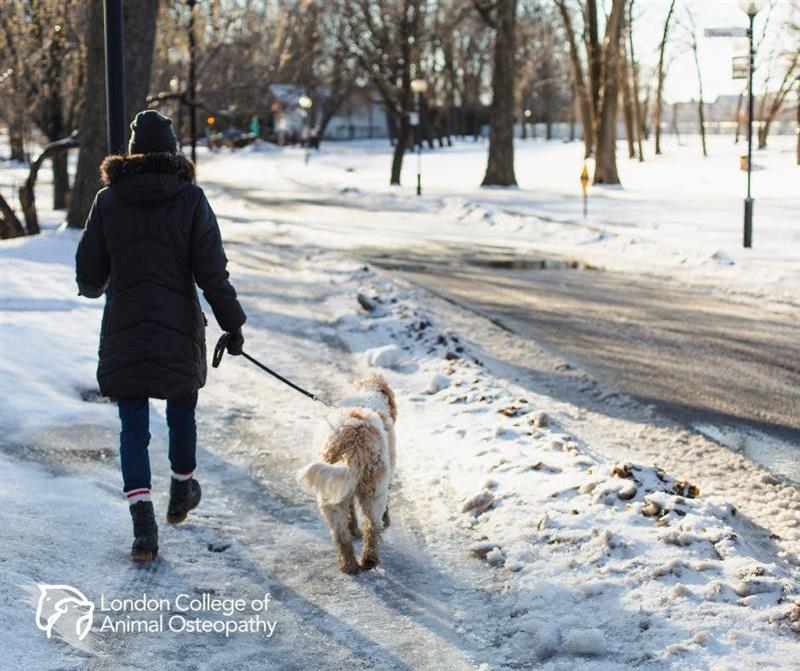
January is Walk Your Dog Month, a perfect time to embrace the health and bonding benefits of regular walks with your canine companion. Walking your dog isn’t just about exercise; it’s about creating a routine that benefits both of you. Make “Walk Your Dog Month” your starting point for healthier, happier habits this year. Whether […]

Equine CranioSacral Therapy is a gentle, non-invasive manual therapy that focuses on the craniosacral system – the membranes and cerebrospinal fluid surrounding the brain and spinal cord. By assessing and addressing restrictions within this system, Equine CranioSacral Therapy aims to enhance the horse’s natural healing processes, alleviate pain, and improve overall well-being. Historical Background […]
Click to view Touch a vertebra, and you are not just touching a bone. You are entering a neurological network that extends outward to skin, organs, muscles, and the brain itself. This is the central insight of Frouke-tea Friedhoff’s thesis, which argues that equine osteopaths who understand neurological segmentation can address the underlying cause of […]
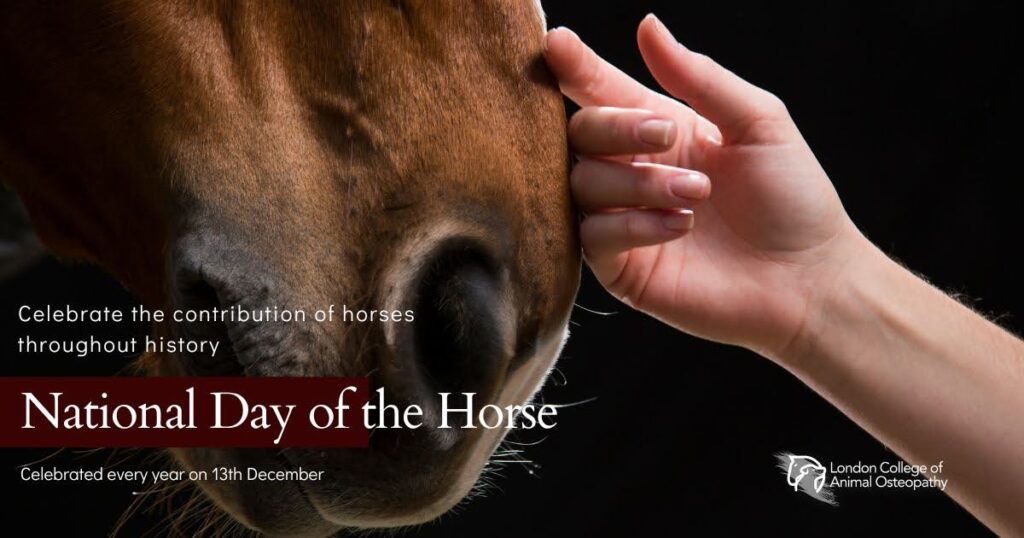
Honoring Our Noble Companions: Celebrating the National Day of the Horse Every December 13th, we honor one of humanity’s most loyal and noble companions with the National Day of the Horse. This day serves as a tribute to the profound influence horses have had on our lives, shaping history, culture, and even the economy. Whether […]

Click on the thumbnail below to read an exemplary thesis by LCAO International Diploma in Canine Osteopathy student, Sharon Ferrer, in which she examines the efficacy of regular osteopathic treatments on anxiety in dogs.

The Dangers of Iron Overload in a Horse’s Diet Iron is a vital mineral for all living creatures, including horses. It plays a crucial role in oxygen transport and energy metabolism. However, when it comes to iron intake, balance is key. While iron deficiency is a common concern in many animals, horses are unique in […]

Musings of an Osteopath Part I Chris Bates M.Ost DipAO EEBW BHSAI Join me on a journey into my thoughts (not as disturbing as it sounds) about Osteopathy, medicine, and the healing arts. This is part one of a series that I hope to make a regular feature. As we delve into the world of […]

By Rachel Pechek, LCAO instructor, and Kalie Larson, LCAO Animal Osteopathy Student Four core principles. They are the foundation of Osteopathic Medicine. We, as osteopaths, view the body as a complex, constantly changing, and interconnected system, where issues in one area can result in complications and compensatory responses elsewhere. London College of Animal Osteopathy […]

Chris Bates M.Ost, DipAO, EEBW, BHSAI The domesticated dog has changed far from the wild ancestors of old and the canid cousins they share in the wild today. Dogs as pets and companions come in many shapes and sizes from the smallest of “teacup” breeds to immense Great Danes and Irish Wolf Hounds. As with many […]

Chris Bates M.Ost DipAO EEBW BHSAI While more animal owners than ever are seeking Osteopaths for their beloved companions, many are not entirely sure what their practitioner is doing or how osteopathy works. It would be impossible to explain fully what each intervention involves. The understanding of Osteopathy takes time to acquire and even longer […]

Acorn Toxicity in Horses: Risks, Symptoms, and Prevention By Siun Griffin, Equine Physiotherapist Acorns, a common feature of oak trees, might seem harmless, but they pose a significant health risk to horses. Although acorn poisoning isn’t a daily concern for most horse owners, the threat increases dramatically during certain times of the year. Knowing how […]

By Siun Griffin, Veterinary Physiotherapist and LCAO Community Manager As canine sports gain popularity, from agility and flyball to dock diving and herding, the demand for optimal performance and injury prevention in athletic dogs has surged. While traditional veterinary care remains essential, alternative therapies like osteopathy are becoming increasingly recognised for their ability to enhance […]

Osteopathy is an increasingly sought-after form of therapy, reflecting a broader shift towards holistic and alternative therapies in veterinary care. This holistic approach to treating animals is gaining popularity as pet owner awareness increases. Complementary therapies are becoming more common, as evidence supporting the efficacy of osteopathy treatment for animals increases. A significant driver of […]

By: Chris Bates M.Ost Feel and touch are not the only ways to really “feel”. I remember being told by one of my favorite teachers in my Osteopathy degree (for humans), “When you know the anatomy and how to work safely, then you can work with ‘no mind’, fluidly and without thinking”. His […]

Click to view When a horse comes back from injury or a dog recovers from surgery, the conventional plan typically involves rest, anti-inflammatories, and — if the owner is proactive — some form of physiotherapy. It is a reasonable plan. It is also, argues Tony Smit, often an incomplete one. Smit’s thesis is a structured […]

Center of Gravity – Riding Horses in Balance and Harmony By Chris Bates M.Ost EEBW BHSAI Riding horses can look effortless and easy when performed by some of the best riders out there. Those of us normal mortals though, understand that riding is far from easy. When you watch a horse and […]

Cooling Hot Dogs: Myths and Facts As temperatures rise, it’s crucial to keep our canine companions cool to prevent heat-related illnesses. Unfortunately, many myths about cooling dogs persist, potentially putting them at risk. Myth 1: Cold Water Causes Shock and Bloat Fact A common myth suggests that giving dogs ice water can […]