Beyond the Hips and Elbows: Atypical Presentations of Osteoarthritis in Dogs

18 Aug 2025 Canine

When we think about osteoarthritis (OA) in dogs, our minds often jump straight to the hips and elbows, and with good reason. These are the most commonly affected joints, particularly in breeds predisposed to hip or elbow dysplasia. But OA doesn’t always follow the “classic” patterns. In fact, it can show up in far less obvious places, quietly affecting a dog’s comfort, mobility, and quality of life in ways that are easy to miss if we’re not looking for them.

Let’s take a closer look at the less-talked-about joints, the carpus, hock, digits, and even the spine, and explore how these atypical presentations can subtly change a dog’s movement, behavior, and day-to-day function.

Why Atypical OA Matters

Osteoarthritis is a degenerative joint disease characterised by cartilage breakdown, synovial inflammation, osteophyte formation, and changes in subchondral bone [1]. While large, weight-bearing joints are most often discussed, any synovial joint in the body can be affected. Atypical sites are often overlooked in general practice, especially when signs are mild or masked by compensation.

Carpal OA: The Silent Stiffness

The carpus is vital for shock absorption and flexion during locomotion. Arthritis in this joint may not cause overt lameness early on, but signs may include:

  • Reluctance to jump or go downstairs
  • Reduced range of motion in flexion
  • Stiffness after rest
  • Flattening or “pancaking” of the paw during stance

Radiographic evidence of carpal OA is relatively uncommon compared to hips or elbows, but it does occur, particularly in working dogs or those with a history of repetitive strain or trauma [2].

Hock OA: A Subtle Hind-End Saboteur

The tarsus (hock) is another joint that gets little attention until something goes wrong. Dogs with hock OA may show:

  • Abnormal limb carriage (e.g., toe-touching or inward rotation)
  • Difficulty navigating uneven terrain
  • Decreased propulsion when running or climbing
  • Overdevelopment of compensatory muscles in the lumbar or gluteal region

Hock OA can result from chronic instability, as seen in shelties or collies with tarsal injuries, or post-traumatic arthritis in active breeds [3].

Digits: When the Toes Take the Hit

The interphalangeal joints are small, but they bear significant force with each step. Toe OA often flies under the radar because:

  • Dogs may simply appear “off” without clear lameness
  • Owners may report vague signs like “slowing down”
  • It’s often dismissed as age-related stiffness

Toe OA is particularly common in large breeds, senior dogs, or those with past ligamentous injuries. One study found interphalangeal OA in 13% of dogs undergoing full-body radiographs for unrelated conditions [4].

Axial Joints: Spine and Sacroiliac Involvement

Though technically distinct from appendicular OA, degenerative changes in the spine, including spondylosis deformans and facet joint OA, are increasingly recognised in ageing dogs. These changes can:

  • Mimic hip OA symptoms
  • Cause reluctance to jump or twist
  • Lead to compensatory overload in thoracic limbs

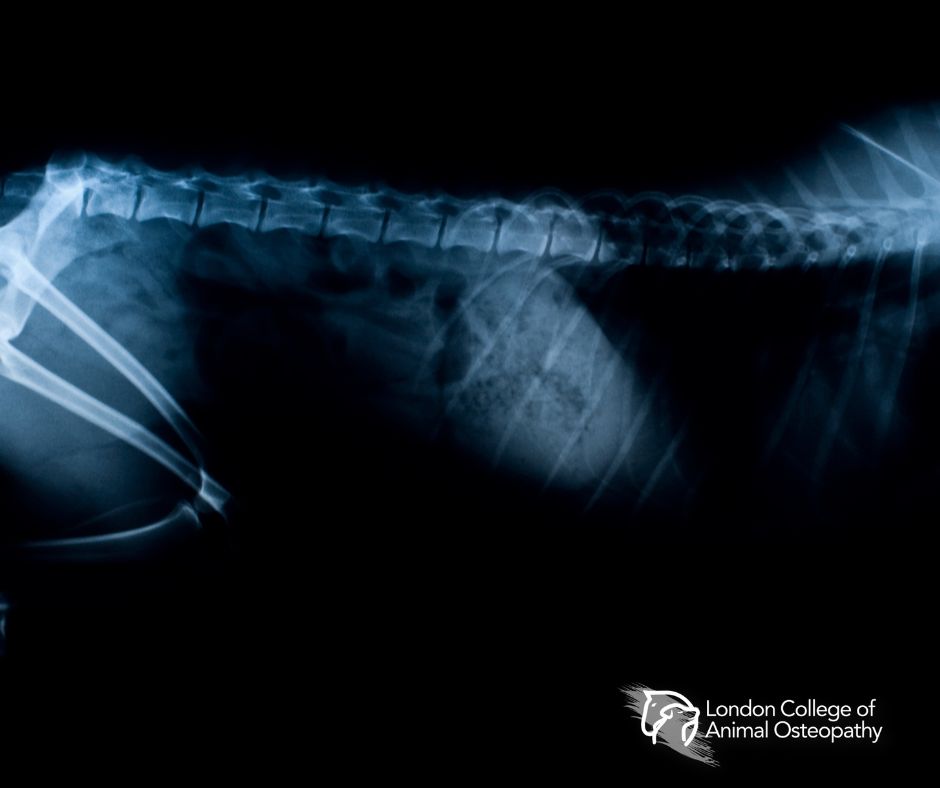
Advanced imaging (CT/MRI) is often required to accurately assess these changes, but clinical suspicion should be high in dogs with back pain, hindlimb weakness, or poor response to traditional OA therapies [5].

Clinical Relevance: What to Watch For

In atypical OA, behavioral and functional changes are often more telling than overt lameness. Watch for:

  • Shifting weight or frequent postural changes
  • Persistent licking or chewing at a limb
  • Avoidance of certain movements (e.g., digging, sharp turns)
  • Reduced performance in working or sporting dogs

Gait analysis, palpation, and range-of-motion testing are essential to pick up subtle deficits. Diagnostic imaging can confirm, but shouldn’t replace clinical insight.

A Multimodal Mindset

Management of atypical OA is similar to classic OA but may require more targeted strategies:

  • Manual therapies (osteopathy, physio, massage) can improve joint mobility and reduce compensatory strain.
  • Low-impact exercise like underwater treadmill therapy helps maintain function without overload.
  • NSAIDs, gabapentin, and disease-modifying osteoarthritis drugs (DMOADs) are often used pharmacologically.
  • Weight management remains critical, especially for distal limb and spinal OA [6].

Final Thoughts

Osteoarthritis in dogs is not always where you expect it, and that’s exactly why we need to stay curious. By widening our clinical lens beyond the hips and elbows, we can catch the quieter forms of OA early and intervene with strategies that truly make a difference.

References

  1. Johnston, S. A. (1997). Osteoarthritis. Joint anatomy, physiology, pathobiology, and basic treatment principlesVeterinary Clinics of North America: Small Animal Practice, 27(4), 699–723. https://doi.org/10.1016/S0195-5616(97)50075-3

  2. Paster, E. R., & Bristol, D. G. (2003). Carpal and Tarsal Joint Disease in Dogs. Compendium on Continuing Education for the Practicing Veterinarian, 25(2), 110–122.
  3. Kapatkin, A. S., et al. (2002). Tarsal osteoarthritis: A retrospective study. Veterinary Surgery, 31(2), 127–132. https://doi.org/10.1053/jvet.2002.31763

  4. Morgan, J. P., et al. (1968). Skeletal dysplasias and arthropathies in the dog. Veterinary Radiology, 9(4), 122–131.
  5. Dewey, C. W., & da Costa, R. C. (2015). Practical Guide to Canine and Feline Neurology. Wiley-Blackwell.
  6. Moreau, M., et al. (2010). Clinical evaluation of a nutraceutical, carprofen and meloxicam for the treatment of dogs with osteoarthritis. Veterinary Record, 166(3), 72–77. https://doi.org/10.1136/vr.b4713

Bringing Bodywork to the Boroughs: Urban Osteopathy and Holistic Therapies for Pets

4 Aug 2025 Canine

In the bustling heart of the city, amid high-rises, traffic, and concrete, an unexpected movement is quietly gaining momentum: the rise of animal osteopathy and holistic therapies in urban environments. Once considered niche or rural, these hands-on approaches are proving essential for city-dwelling animals coping with the unique physical and emotional demands of urban life.

Urban Pets, Urban Problems

Unlike their countryside counterparts, urban animals, particularly dogs and cats, face daily challenges that can subtly wear on their musculoskeletal systems and emotional well-being. Slick floors, tight spaces, long hours alone, limited green areas, and overstimulation from noise and crowds are just a few of the factors that can contribute to compensatory movement patterns, chronic tension, behavioural reactivity, or even injury.

For city animals, especially those confined to apartments or on-lead for most of their day, the opportunity for natural movement is restricted. This lack of freedom to stretch, climb, run, or play off-lead can lead to muscular imbalances, joint stiffness, and emotional frustration. These issues are often invisible to owners until pain, mobility problems, or behaviour changes arise.

The Role of Osteopathy in the City

Animal osteopathy offers a gentle, holistic way to address the effects of urban living. Using hands-on techniques such as myofascial release, joint mobilisations, and craniosacral work, osteopaths support the animal’s body in restoring alignment, releasing tension, and improving function. Importantly, osteopaths consider the whole animal, not just the site of pain or injury.

In an urban context, this full-body approach is particularly valuable. A dog with shoulder strain from pulling on the lead may also have compensatory tension through the back and pelvis. A cat that slips repeatedly on smooth wooden floors may develop stiffness or altered posture. In both cases, osteopathy addresses not only the biomechanical problem but also how the nervous system and environment contribute.

Home Visits and Adaptability

One of the unique aspects of urban practice is the need for adaptability. Many animal osteopaths and holistic therapists in cities provide home visits, a practical necessity in areas where clinic space is limited or non-existent. While this approach removes the stress of travel for the animal, it presents its own challenges: narrow hallways, limited floor space for movement assessments, stairs instead of lifts, and curious household distractions.

Still, therapists learn to improvise, using yoga mats for grip, adapting exercises to stairwells or hallways, and teaching owners how to support their animal’s well-being with small, consistent changes at home.

Working Collaboratively in a Crowded Space

City practice also opens the door for collaboration. In densely populated areas, therapists often work closely with local vets, hydrotherapists, behaviourists, and trainers. Holistic care becomes a team effort, especially when addressing complex cases such as post-surgical recovery, chronic pain, or anxiety-related musculoskeletal issues.

An osteopath may refer a reactive dog for behavioural therapy to reduce stress-related tension or consult with a vet on pain management options. The ability to build interdisciplinary partnerships enhances care and helps avoid siloed treatment plans.

Behavioural Therapies and Emotional Health

Urban life doesn’t just affect the physical body; it taxes the nervous system too. Many holistic practitioners, including osteopaths, incorporate trauma-informed approaches and work with the parasympathetic nervous system. Cranial techniques and gentle fascia work can help soothe overly aroused or anxious pets, supporting emotional regulation as much as physical release.

When combined with behaviour therapy, enrichment, and environmental changes, these hands-on techniques can have a profound impact on an animal’s quality of life.

Supporting the Urban Vet: Osteopathy as a Complementary Tool

Urban veterinarians are on the frontlines of animal care in often high-pressure, high-volume settings. With limited consultation time and increasingly complex client expectations, they face significant challenges: managing chronic pain cases, addressing behavioural issues linked to physical discomfort, and meeting the rising demand for holistic care options.

In these contexts, osteopathy can offer meaningful support. For vets, gaining training in animal osteopathy or working in tandem with a qualified osteopath opens up new treatment pathways, particularly for musculoskeletal complaints, compensatory gait patterns, and unresolved lameness cases where conventional diagnostics may show limited findings.

Collaborative work with osteopaths can also reduce the burden of long-term pharmaceutical management by supporting natural healing processes, improving mobility, and enhancing the animal’s comfort and function. This integrative model aligns well with modern veterinary medicine’s shift toward multimodal care and can improve both clinical outcomes and client satisfaction.

Moreover, offering or referring to osteopathic treatment can help urban clinics stand out in competitive markets, responding to a growing client base seeking evidence-informed complementary therapies. With appropriate training and clear referral frameworks, osteopathy becomes a valuable asset in the urban vet’s toolkit.

Looking Ahead: Education and Awareness

As urban pet ownership continues to rise, so too does awareness of proactive, preventative care. Increasingly, city owners are seeking out holistic and complementary therapies not only for recovery from injury but for ongoing wellness. There’s a growing recognition that bodywork isn’t indulgent; it’s essential.

For animal osteopaths and holistic therapists, urban practice offers a rich and rewarding opportunity to make a real difference. It requires creativity, empathy, and a deep understanding of the urban animal’s world. But in return, it brings the chance to help pets thrive, one borough, one body at a time.

References

  1. Taylor, M., & Mills, D. (2007). The effect of the kennel environment on canine welfare: A critical review of the literature. Animal Welfare, 16(4), 435–447.
  2. Brown, D. C., Boston, R. C., Coyne, J. C., & Farrar, J. T. (2008). A novel approach to the use of animals in studies of pain: Validation of the canine brief pain inventory in canine osteoarthritis. Pain Medicine, 9(4), 434–442.
  3. McGreevy, P. D., & Nicol, C. J. (1998). The importance of ethology in understanding the behaviour of the horse. Equine Veterinary Journal, 30(1), 15–19.
  4. Haussler, K. K., & Frisbie, D. D. (2009). The role of manual therapy in equine physical rehabilitation. Veterinary Clinics of North America: Equine Practice, 25(1), 109–122.
  5. Franklin, S. H., Naylor, R. J., Lane, J. G., & Starling, M. J. (2018). Canine behaviour problems: Discussions between veterinarians and dog owners during annual booster consultations. Journal of Small Animal Practice, 59(3), 161–167.
  6. Mills, D. S., & Hall, S. S. (2014). Animal-assisted interventions: Making better use of the human–animal bond. Veterinary Record, 174(11), 269–273.
  7. King, A. S., & Mansmann, R. A. (2003). Manual therapy and complementary techniques in veterinary medicine. In Veterinary Clinics of North America: Small Animal Practice, 33(6), 1329–1347.

Osteopathic manipulative treatment on Parkinson´s related symptoms

19 Aug 2024 Canine

Click to view


Parkinson’s disease is the second most prevalent neurodegenerative disorder in the world, and its numbers are growing. Pharmaceutical management remains the primary treatment pathway, but it is increasingly clear that drugs alone cannot address the full range of what the disease takes from a person — or, as Kendra Byers reminds us, from an animal. Horses can develop toxic equine parkinsonism through prolonged ingestion of yellow star thistle or Russian knapweed. Dogs may develop it through hereditary or injury-related pathways. The symptom overlap with human PD is significant, which means the potential value of OMT as a cross-species intervention is worth investigating seriously.


Byers structures her review across three domains: pain management, functional mobility, and quality of life. On pain, the picture is encouraging. Around 60% of people living with PD experience pain, most commonly in the lower back — an area where OMT has demonstrated clear efficacy in the broader clinical population. Byers makes a compelling argument that reducing reliance on opioids and NSAIDs, both of which carry serious risks with prolonged use, makes osteopathic management not just clinically interesting but ethically important.


The functional findings are equally promising. A single session of whole-body OMT has been shown to increase sagittal hip range of motion in PD patients — meaningful in a condition where reduced joint mobility directly contributes to falls, injury, and loss of independence. Postural stability improvements have also been documented, attributed to reduced muscular rigidity allowing a more upright centre of gravity.


Perhaps the most unexpected territory concerns the glymphatic system — the brain’s waste-clearance network, dysfunction in which is implicated in both Alzheimer’s and PD. OMT’s effects on lymphatic and cranial circulation may have a role to play in reducing the toxic protein build-up that drives neurodegeneration. It is a hypothesis still requiring species-specific research, but the mechanistic logic is sound and the early animal data is encouraging.


Byers is clear-eyed about the limitations: sample sizes vary, species-specific studies are scarce, and technique classification needs greater consistency across the field. But the overall trajectory of the evidence points toward OMT as a meaningful complementary therapy. For a disease that currently has no cure, that matters considerably.

An Analysis of Biofluids & Heat Transfer Mechanisms

14 May 2024 Canine

Click to view


Every somatic dysfunction leaves a trace in the body’s physiology. The question is whether we have the tools to find it. This thesis by Hollie Victoria Acres approaches that question from an unexpected angle — through the physics of heat, the mechanics of fluid flow and the infrared light spectrum — to argue that thermal imaging may give canine osteopaths a window into dysfunction that palpation alone cannot reliably provide.


The scope here is genuinely ambitious. Acres works through the fluid mechanics of biofluids — intravascular, interstitial and lymphatic — mapping how changes in mass flow rate alter the heat a body generates and releases. The connection matters because osteopathic philosophy has always held that impediments to fluid flow underlie disease. If that is true, then patterns of thermal asymmetry on the body’s surface should, in theory, reflect those impediments — and thermal imaging cameras, operating in the infrared spectrum, can detect precisely those patterns.


The thesis works through each of the five osteopathic models in turn. The biomechanical model shows how overloaded muscles run warmer and underloaded ones cooler, with hypothermic regions becoming stiffer and more injury-prone. The neurological model reveals how vasoconstriction and vasodilation — driven by the autonomic nervous system — produce the thermal signatures that cameras can quantify. The biopsychosocial sections raise particularly intriguing questions: can thermal imaging detect emotional states and pain anxiety in dogs who cannot tell us where it hurts?


Acres includes thermal images taken in collaboration with veterinary thermographers, showing real cases where asymmetries visible on camera preceded or accompanied lameness that conventional examination had not fully explained. The limitations are addressed honestly — coat type, ambient temperature and camera resolution all affect results.


What this thesis ultimately argues is that thermal imaging is not a replacement for osteopathic skill, but a powerful complement to it: an objective layer of assessment that catches change before symptoms become performance-limiting.

Tori is based in NSW Central Coast, Australia, and runs Canine Body Balance. To learn more about her work or to get in touch, click here.

Signs that a Dog Needs More Exercise

6 Oct 2023 Canine

By Maria Rondon

Head of Health Sciences at LCAO

Both adult dogs and puppies can sometimes behave like children on a sugar rush. They need to burn their energy, and if you don’t give them a way to do it, they will find their own! Sometimes, these ways of burning their fuel will waste all the training efforts and could take an enormous toll on their personality, mental health, and physical well-being.

For this reason, it is vital to know the signs that show that a dog or puppy is not exercising enough throughout the day. These are the 5 most common signs that show that a dog might need 20 extra minutes of walking!

1. Destructive Behavior

If you notice that your dog is biting, chewing, scratching, or tearing things around the house, or if you see that they break their toys in record time, it is highly likely that your dog is trying to drain his contained energy. Of course, this is not only really dangerous for them, as they could suffer a gastrointestinal obstruction or intoxication by accidentally swallowing the objects they’re chewing, but it’s also really expensive for the owner, due to the vet bills and the cost of replacement of the objects so, if your dog has destructive behavior, better to run that extra mile with him, literally!

2. Daily or Nightly Hyperactivity

Another way dogs use to drain the energy they are not draining through exercise is by running or playing excessively around the house. These bursts of energy that have puppies running from one side of the house to the other can become really noisy and bothersome at 3 A.M. when the owners are trying to catch some sleep. Whether they happen in the daytime or nighttime, sudden episodes of running, jumping, vocalizing, or playing by themselves are a clear sign that a dog needs to exercise more.

3. Excessively curious behavior

Dogs with a sense of curiosity are seen as smart and adorable while doing their best to understand the world around them. Moreover, it’s also a part of nature, as being curious is part of their survival instinct. However, if your dog is at all times browsing the house or apartment, smelling the floor or the air, following every step of every moving person, or wanting to participate in every activity the owner does, that’s often a sign of excessive boredom and energy accumulation. They’re just trying to keep themselves busy!

4. Attention seeking

Your pet will always know the perfect way to catch your attention: growling, howling, barking, licking your hands or feet, jumping on top of you, or bringing you their favorite toy. However, these gestures could mean basically anything, from begging for a meal to asking for pets. If you see that your dog’s water bowl is full and fresh, they already ate, and pets do not seem to calm them, it might be time for a short session of exercise. Playing, walking, running or asking them to perform tricks will surely help them burn a little more energy!

5. Weight Gain

This one is more a physical sign than a behavioral sign, which appears after weeks or months of eating an unbalanced diet or after lack of enough exercise. Even if your dog’s behavior is not as energetic as the average and they fail to give you any other sign, their physique doesn’t lie: when there’s not enough ways to burn energy, your dog will likely gain weight. If this sign goes ignored without implementing the proper healthy habits your dog needs, he might become obese and suffer from metabolic, pancreatic, gastrointestinal, locomotive or cardiovascular diseases, so it’s important to pay attention to your dog’s complexion.

Providing your dog with enough opportunities to exercise, plenty of fresh water and a balanced diet will keep them living a happy and healthy life. For this reason, it’s vital to know if your concept of “enough exercise” matches theirs. Communication, even between species, is the key!


Human food you can give your dog!

2 Oct 2023 Canine

By Maria Rondon, Head of Health Sciences at LCAO

1.Chicken

It’s meat, it’s healthy, what’s not to like? Chicken is an excellent protein source for your dog and can also become a good way to treat them! Just take into account that dogs don’t really have a preference for seasoned vs plain chicken meat. Just cook it, let it chill and then serve!

2.Berries

A great source of vitamins and minerals, you can use them for a quick treat for your dog. Remember though that you shouldn’t give your dog a handful of berries, especially if they never had them before or they might get a stomach ache! However, take into account that grapes are NOT safe for your dog. Berries are fine and nutritious, as long as they’re not grapes!

3.Bananas

More often than not, you’d see dogs usually craving for whatever you got in your hands, and if you happen to have a banana, you can share small bites with your dog. The texture might confuse them a bit, but I guarantee they’re going to love it.

4.Rice

Not everything has to be low on calories and full of protein, you can give a couple of spoons of cooked rice to your dog. They absolutely love how rice tastes, and if you mix it with chicken, they’ll be more than happy to completely devour their plate!

5.Watermelon with no seeds

Dogs also get thirsty during summer so you can give them small chunks of watermelon, just keep in mind that you have to remove the seeds as they might hurt your dog. Other than that, watermelon is completely safe for your dog!

6.Green beans

You boiled more green beans than what you wanted? Fear not! You can share some with your dog, too. Green beans are an excellent source of vitamins and minerals, and they are also really low in calories. You can give them to your dog in small amounts as treats.

7.Cheese

Yes, dogs can eat cheese. No, they shouldn’t eat a lot of it. Cheese doesn’t harm dogs, but servings have to be very small! You can share a small slice of cheese, and if it’s organic, light cheese, you can absolutely increase the serving just a bit.

8.Carrots

Not only a rabbit’s favorite treat! Dogs really like carrots, they don’t have to be cooked or anything, they like the taste enough that they will just gobble it up in no time. Make sure the pieces aren’t too big!

9.Cooked Eggs

Back to full protein sources! Dogs absolutely love eggs. The best way to serve eggs to a dog is boiled eggs. Just cook it, let it chill, crack the shell, maybe slice it a bit and you can serve it to your dog. Remember that just like with humans, you don’t want to have your dog eat eggs all day every day, so feed them with moderation.

10.Peanut Butter

Yes, the myths are true! Dogs can eat peanut butter, nonetheless, servings should be moderate and it would be better if the peanut butter has no added sugar or sweeteners in it.

And that’s it! A good idea is that you can also improvise a cooked, natural meal for your dog with rice, carrots, green beans and shredded chicken. We still recommend regular dry or wet food especially made for dogs though!


1 2 3

Search

+